••
KNUST researchers identify connectivity gaps hindering rural smart farming
•2 min read•1 source
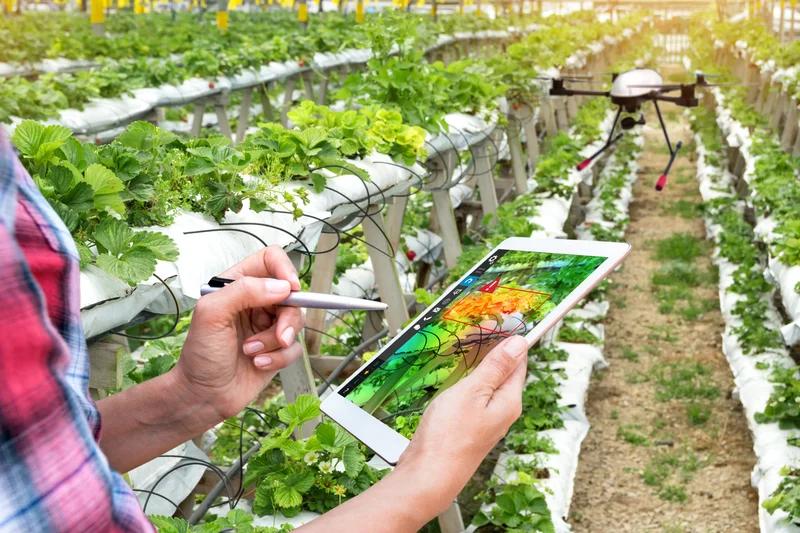
Researchers at the KNUST DIPPER Lab have identified weak communication infrastructure as a significant barrier to the adoption of smart farming technologies in rural Ghana. While digital tools such as soil moisture sensors and livestock tracking collars are designed to enhance farmer decision-making, their effectiveness is currently limited by the lack of reliable connectivity. Without robust networks to transmit data in real time, the promise of agricultural modernization remains out of reach for many smallholder farmers in remote areas.
The research highlights existing initiatives like the FarmSense collaboration, which aims to provide farmers with critical environmental data for crop and livestock management. These technologies rely on the steady transmission of data across dispersed agricultural landscapes. However, the current digital divide means that tasks requiring varying levels of data transmission often fail in areas where traditional cellular signals are weak or non-existent, preventing the full integration of these innovative tools into daily farming operations.
To address these hurdles, the DIPPER Lab is exploring alternative solutions, including the use of TV White Spaces (TVWS). TVWS utilizes unused frequencies in the television broadcast spectrum to provide long-range internet coverage, which could serve as a cost-effective way to bridge the service gap in rural communities. By repurposing these frequencies, researchers believe it is possible to create shared connections that allow sensors and tracking devices to communicate effectively without relying solely on standard mobile network infrastructure.
Moving forward, the successful deployment of TVWS and other shared connection models will require rigorous pilot programs and strict regulatory compliance. Researchers emphasize that bridging the connectivity gap is essential for promoting sustainable agricultural practices across Ghana. Ensuring that rural areas are equipped with the necessary digital infrastructure will be a critical step in allowing the nation's agricultural sector to benefit from the ongoing global digital revolution.
