••
LifeTrac Tech and GRATIS Foundation launch LifeTrac 6G tractor prototype
•2 min read•1 source
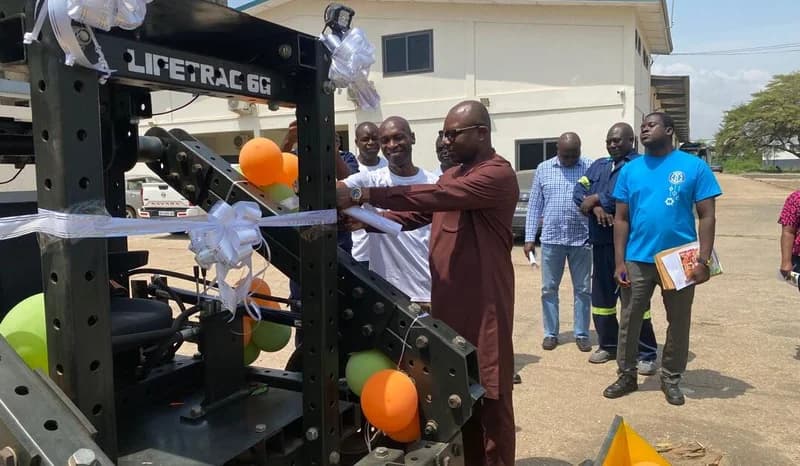
LifeTrac Tech Limited and the GRATIS Foundation have officially unveiled the LifeTrac 6G, a locally assembled tractor prototype designed to transform agricultural productivity in Ghana. The launch, held at the GRATIS Foundation Technology Solution Centre in Tema, represents a significant milestone in the country’s efforts to achieve manufacturing sovereignty. The initiative seeks to provide farmers with equipment specifically engineered for local conditions, moving away from the challenges associated with imported machinery that is often difficult to maintain or repair in the domestic market.
John Duse Stager, President of LifeTrac Group Inc., emphasized during the ceremony that the LifeTrac 6G was developed with a focus on ease of maintenance and adaptability. A standout feature of the new tractor is its detachable PowerCube hydraulic system, which allows for versatile operations. The design incorporates various attachments, such as a plough and a front loader, to handle a wide range of agricultural tasks. Crucially, many of the tractor’s components are fabricated on-site at the GRATIS Foundation, ensuring that replacement parts and technical support remain accessible to Ghanaian users.
To address the financial barriers faced by many small-scale farmers, the partners introduced a "Machinery-as-a-Service" model alongside the new hardware. This approach allows smallholder farmers to benefit from mechanized services—such as land preparation and harvesting—without the prohibitive upfront cost of purchasing the tractor. By offering equipment on a service basis, the project aims to bridge the mechanization gap that has traditionally hindered the growth and efficiency of small-scale farming across the country.
While the unveiling of the prototype marks a pivotal step forward, the project partners noted that the LifeTrac 6G will undergo rigorous ongoing testing and validation before full commercial release. Establishing a comprehensive support and maintenance system will be essential for the broader adoption of the technology across Ghana’s agricultural regions. If successful, the initiative could significantly reduce the nation’s reliance on foreign agricultural machinery while fostering a robust local manufacturing sector dedicated to modernizing farming practices.