••
Returning Millions Find Sudan's Capital Khartoum Unlivable Amidst Infrastructure Collapse
•2 min read•1 source
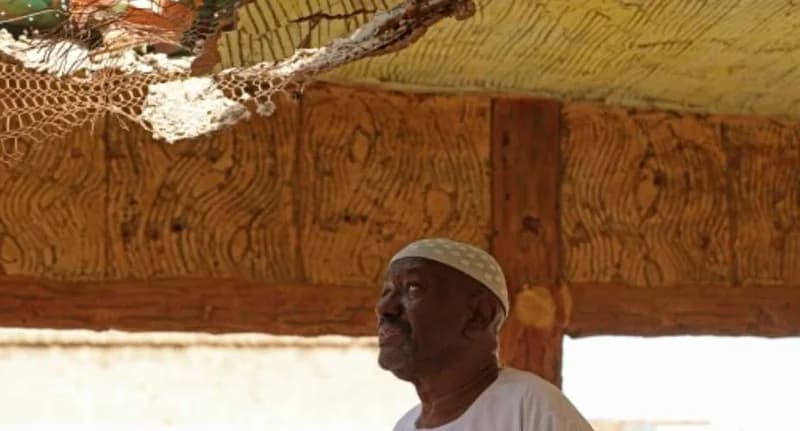
Khartoum is facing a humanitarian catastrophe as approximately 2.7 million residents return to a capital city largely in ruins. Following the Sudanese army's recapture of the city from the Rapid Support Forces (RSF), the government has actively encouraged a mass return of the population. However, those arriving find only a ghost of their former lives, characterized by chronic blackouts, dry taps, and a collapsed economy. The scale of the devastation has made the capital virtually unlivable for many who had hoped to rebuild their lives in the wake of the conflict.
The reality on the ground is one of systemic failure across all essential services. Beyond the physical rubble, returning families report that the cost of living has skyrocketed while job opportunities have effectively vanished. Personal accounts from residents, such as businessman Emad Khaled, highlight a growing sense of regret; Khaled noted that bringing his family back was a mistake given the lack of basic necessities. Medical care is equally scarce, with pharmacies and hospitals lacking essential medicines, leaving the returning population vulnerable to health crises amidst the physical remains of the war.
The crisis extends to the educational sector, where the pressure to project an image of normalcy has led to controversial administrative decisions. Some universities are now insisting on in-person attendance, forcing students to navigate dangerous routes and significant logistical hurdles in a city still gripped by the threat of violence. While the army has made territorial gains in the capital, the broader conflict with the RSF persists, meaning the "return to normalcy" remains more of a government narrative than a lived reality for the students and professionals trying to restart their careers.
The dire situation in Khartoum serves as a stark reminder of the long-term scars of Sudan's civil war. While the government pushes for a restoration of civil life to signal stability, the humanitarian reality suggests that reconstruction will require immense resources and time. Without significant international intervention and a definitive end to the hostilities between the army and the RSF, the millions who have returned to the capital may find themselves displaced once again, unable to survive in an environment where the basic foundations of urban life have been obliterated.
