••
Khartoum bakeries double bread prices to 500 Sudanese pounds
•2 min read•1 source
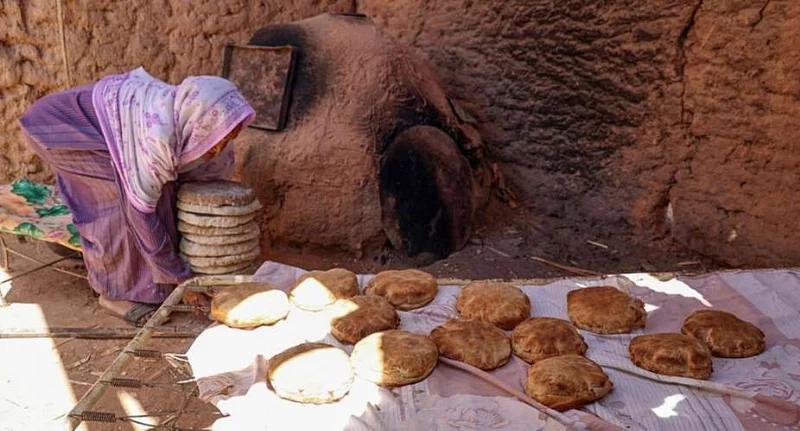
Bakeries in Khartoum have doubled the price of bread from 250 to 500 Sudanese pounds, a development that threatens to deepen the hunger crisis in Sudan’s capital. This sharp increase is driven by a combination of rampant inflation, severe fuel shortages, and the steady devaluation of the Sudanese pound. As basic staples become unaffordable, many residents report that they are now spending their entire monthly salaries just to purchase enough bread for their families.
The crisis has forced a significant number of bakeries across the city to shut down entirely, unable to sustain operations amidst rising costs and lack of fuel. For those that remain open, the cost of production has become prohibitive. This economic strain occurs as Sudan's poverty rate has surged to an estimated 80 percent. Consequently, many households have been forced to adopt desperate coping mechanisms, including limiting their consumption to a single meal per day as the local currency continues to lose its purchasing power.
Beyond the immediate cost of bread, the humanitarian situation is further complicated by persistent power outages and the ripple effects of the nation's ongoing conflict. Community kitchens, which provide a lifeline for the most vulnerable, are experiencing a massive spike in demand that they are struggling to meet. International reports indicate that over 200,000 people in certain regions of the country are already facing famine conditions. Experts warn that without significant intervention and economic stabilization, these catastrophic food shortages could spread to additional areas within the next few years.
Live rates
Pound to cedi rate →