••
KGL and GNPC Foundations Expand Scholarships as Menstrual Health Initiative Boosts School Attendance in Volta Region
•2 min read•2 sources
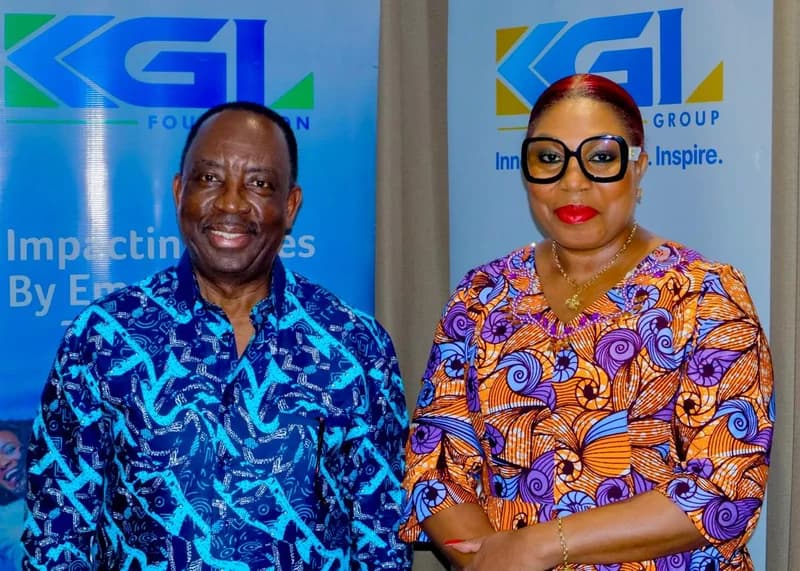
In a significant move to enhance educational equity across Ghana, two major initiatives have been launched focusing on financial support and social barriers. The KGL Foundation and the GNPC Foundation have signed a strategic partnership to provide scholarships for an additional 1,000 students. Simultaneously, the GRAY Network's menstrual hygiene project in the Central and South Tongu Districts is transforming inclusive education by drastically reducing absenteeism among young girls. Together, these efforts represent a multi-faceted approach to ensuring that every Ghanaian child, regardless of economic background or gender-specific challenges, can remain in school and excel. The partnership between the KGL and GNPC Foundations marks a pivotal moment for public-private collaboration in the education sector. KGL Group Chairman Alex Apau Dadey emphasized that the initiative is rooted in a deep-seated belief in the transformative power of education, noting the foundation's history of supporting over 300 students. Helga J. M. Boadi, Executive Director of the GNPC Foundation, highlighted that such alliances are essential for national development. By pooling resources, the two foundations aim to create a more robust support system that not only pays for school fees but also fosters an improved learning environment for the nation's youth. Complementing these financial interventions is the GRAY Network’s Menstrual Health project, funded by the STAR-Ghana Foundation. Focused on schools such as Atsieve D/A and Lakpo D/A Basic Schools, the project has established School-based Menstrual Hygiene Management Clubs and provided reusable sanitary products. Beyond the physical supplies, the initiative has trained community volunteers and sensitized male students, fostering a supportive culture that has replaced stigma with understanding. Madam Esinam Tekpor noted that the project has empowered students with leadership skills while alleviating the financial burden on parents, who previously struggled with the recurring cost of sanitary products. As Ghana continues to navigate educational reforms under the administration of President John Mahama, these grassroots and corporate interventions serve as critical pillars for the government’s goals. By addressing both the cost of tuition and the social factors that keep girls out of the classroom, these organizations are helping to build a more resilient and inclusive educational framework. The success of the pilot projects in the Volta Region and the expansion of the national scholarship program signal a growing recognition that true educational advancement requires addressing the diverse needs of the modern student body.
Related topic
John Mahama: Latest News & Updates →

