••
KAIPTC launches 2026 Gender Advisers' Course for African peacekeepers
•2 min read•3 sources
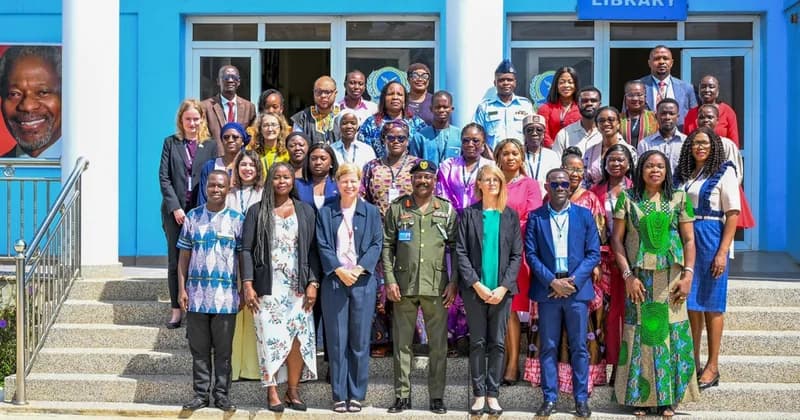
The Kofi Annan International Peacekeeping Training Centre (KAIPTC) has launched the 2026 Gender Advisers' Course in Accra, a strategic initiative designed to enhance the skills of peace and security practitioners across Africa. The training focuses on integrating gender perspectives into various policy frameworks and operational structures to strengthen the effectiveness of peace operations on the continent. By equipping participants with practical tools and advisory skills, the course seeks to advance the implementation of the Women, Peace and Security (WPS) agenda within African security institutions.
Speaking at the opening ceremony, Brigadier General Lawrence Deku, the Deputy Commandant of the KAIPTC, underscored that gender mainstreaming must be viewed as a central component of institutional policy rather than a secondary consideration. He noted that while progress has been made, significant barriers such as cultural norms and institutional resistance continue to hinder women’s full participation in conflict resolution and security operations. The course is specifically designed to address these challenges by providing practitioners with the robust gender analysis skills required to influence high-level decision-making and facilitate institutional reforms.
Ms. Theresa Kraft, head of the ECOWAS Peace, Security and Governance (EPSG) Project, further emphasized the urgency of translating existing policy commitments into actionable measures amid the continent's complex security challenges. She argued that a deep understanding of the unique experiences of women, men, girls, and boys is essential for effectively managing issues like displacement and community conflict. Ms. Kraft highlighted the role of gender advisers as vital bridges between high-level policy and field implementation, urging them to advocate for the inclusion of women’s needs in all peace-related decisions.
The 2026 Gender Advisers' Course is supported by a coalition of international partners, including the European Union, Germany, and Denmark, through the EPSG project. This collaboration reflects a broader commitment to fostering inclusive governance and ensuring meaningful participation in peace processes across the ECOWAS region and beyond. Participants are expected to return to their respective organisations to drive change, ensuring that future peace and security operations are more gender-responsive and representative of the populations they serve.
myjoyonline.com
PrimaryafricaKAIPTC opens 2026 Gender Advisers' Course to strengthen peacekeeping operations across Africa
myjoyonline.com
africaGender mainstreaming must be central to peace and security operations — KAIPTC Deputy Commandant
myjoyonline.com
africaGender mainstreaming essential to addressing Africa’s growing security challenges – EPSG official
