••
Joseph B. Tandoh urges passage of law to establish Ghana Space Agency
•2 min read•1 source
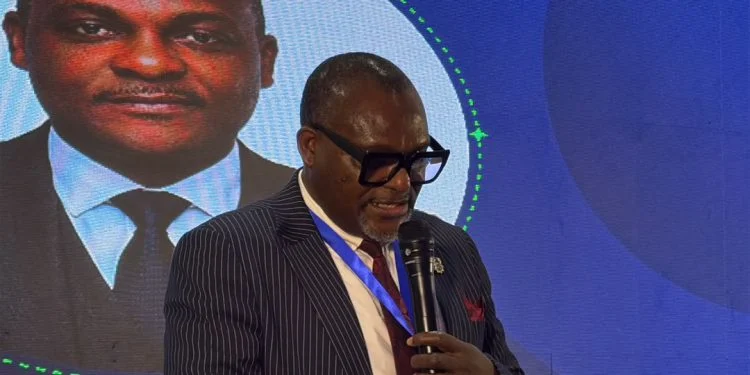
Dr. Joseph B. Tandoh, Director of the Ghana Space Science and Technology Institute (GSSTI), has called for the immediate passage of a national space law to formally establish the Ghana Space Agency. Speaking at the Ghana Space Conference 2026 in Accra, stakeholders emphasized that a legislative framework is critical for regulating the sector and protecting Ghana’s national interests in an increasingly competitive global arena. The call represents a renewed effort to move beyond policy and into statutory authority for the nation's space ambitions.
The push for formal legislation follows the earlier approval of the National Space Policy, which laid the groundwork for Ghana’s extraterrestrial initiatives. Dr. Tandoh noted that while the country has made significant strides—most notably the successful 2017 launch of GhanaSat-1—the lack of a statutory agency limits the ability to attract long-term investment. He argued that a structured legal framework is essential to tap into the global space economy, which is currently valued at approximately $680 billion.
During the conference, experts and stakeholders highlighted that without the necessary infrastructure and legal backing, Ghana risks missing out on significant economic opportunities. The discussions centered on the importance of cultivating local expertise and creating a conducive environment for private sector participation. Formalizing the Ghana Space Agency would provide the administrative authority to coordinate these efforts, manage international partnerships, and ensure that space-related activities are aligned with national development goals.
As space technology becomes increasingly integrated into sectors such as agriculture, telecommunications, and national security, the urgency for a governing body has intensified. The GSSTI and its partners are now looking toward the legislature to prioritize the space bill. Proponents believe that with the right laws in place, Ghana can position itself as a regional hub for space science and technology, ensuring the nation remains an active participant in the global space race rather than merely a consumer of foreign technology.
