••
Bank of Ghana Governor Dr. Johnson Asiama Pledges to Rebuild Reserves Following $1.9 Billion Decline
•2 min read•10 sources
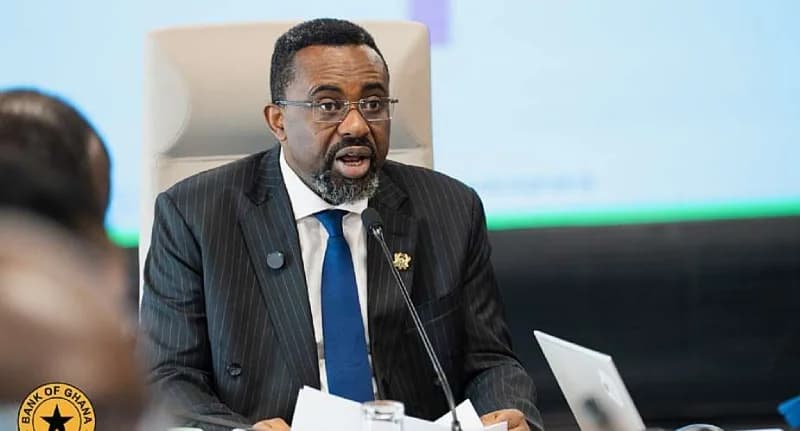
Ghana’s gross international reserves witnessed a sharp decline of approximately US$1.9 billion between June and August 2026. According to Bank of Ghana (BoG) data, the reserves fell from US$12.94 billion in June to US$11.07 billion by the end of August, leaving the country with 4.2 months of import cover. This represents a significant contraction from the 5.7 months of cover recorded at the start of the year and a retreat from a high of US$14.16 billion seen in March. The rapid depletion has raised concerns regarding the nation’s external economic buffers and its resilience against potential global shocks.
The Central Bank attributed this contraction to several emerging risks, most notably a projected current account deficit and a temporary halt in gold exports that began in mid-August. While Ghana initially recorded a trade surplus of US$8.8 billion in the first half of 2026—driven largely by robust cocoa and gold performances—the subsequent pause in shipments significantly hindered foreign exchange accumulation. Governor Dr. Johnson Asiama identified these developments as critical risks to the economy, emphasizing that the external position requires vigilant monitoring as the country enters the final months of the year.
In response to the decline, the Ghana Gold Board (GoldBod) has officially resumed substantial gold shipments to assist the BoG in replenishing its foreign exchange reserves. During the 132nd Monetary Policy Committee press briefing, Dr. Asiama confirmed that while shipments had become less frequent during August, export activity has surged in recent weeks. The central bank is now working closely with GoldBod to refine its foreign exchange management strategy and stabilize the market against fluctuations in international gold prices, which remain sensitive to U.S. monetary policy and other global factors.
Looking ahead, rebuilding the national reserve buffer remains a primary objective for the Bank of Ghana as it prepares for an expected increase in foreign exchange demand during the traditionally busy fourth quarter. This period of heightened commercial activity typically places additional pressure on the currency, making robust reserves essential for maintaining exchange-rate stability. The BoG aims to balance these interventions with efforts to manage inflation and support sustainable economic growth, ensuring that the country’s macroeconomic foundations remain secure amidst external uncertainties.
Live rates
Bank of Ghana policy rate →

