••
Deputy Minister John Dumelo Forecasts Sharp Decline in Tomato Prices as Agriculture Sector Eyes Structural Reforms
•3 min read•3 sources
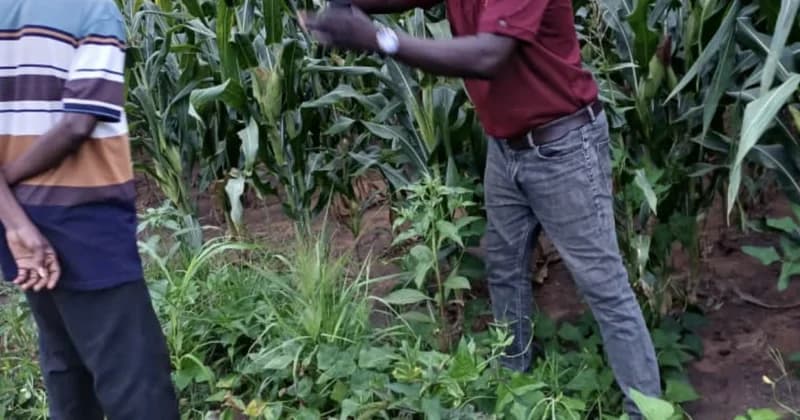
Ghana’s food market is poised for significant relief as tomato prices are projected to drop sharply in the coming weeks. Deputy Minister for Food and Agriculture, John Dumelo, announced that the commencement of local harvests will alleviate the supply shortages that recently drove prices for a basket of tomatoes from GH₵200 to as high as GH₵700. This development comes as the government under President John Mahama intensifies efforts to stabilize food costs and bolster national food security through both immediate supply interventions and long-term structural programs.
To prevent future seasonal spikes, the Ministry of Food and Agriculture is launching a large-scale dry-season farming initiative scheduled to run from December 2026 to June 2027. Land in northern Ghana has already been cleared, with seedling preparation slated to begin in October. Mr. Dumelo emphasized that this program aims to ensure year-round availability, mitigating the impact of erratic rainfall patterns that have recently hindered production. While traders remain cautious due to ongoing low rainfall, the government remains optimistic that the current harvest influx will stabilize the domestic market and improve food accessibility for the average Ghanaian.
Complementing these government efforts, Fidelity Bank Ghana is championing a shift toward a value-chain-driven approach to agricultural development. Speaking at the Ghana Horticulture Expo 2026, bank officials highlighted a critical gap in value retention; for instance, cocoa paste alone generated more revenue ($789 million) than the entire non-traditional agricultural export sector ($710 million) in 2025. Fidelity Bank has already facilitated over GHS 160 million in support for local exporters through partnerships like the Mastercard Foundation and is pioneering de-risking strategies, such as accepting farmland as collateral, to unlock more credit for the sector.
The push for self-sufficiency is further echoed by long-standing calls from stakeholders such as Sumaila Doho, a former Upper West Regional Best Farmer, who advocates for a pivot from maize imports to local production. Doho argues that Ghana possesses the potential to be a maize-surplus nation if the government implements guaranteed minimum prices and invests heavily in storage infrastructure. He notes that reducing dependence on imports is vital for protecting the economy from global shocks, such as those caused by international conflicts and pandemics, which have previously exposed vulnerabilities in Ghana’s food supply chain.
As Ghana navigates these agricultural transitions, the synergy between government-led production initiatives and private sector financial reforms remains crucial. The focus is increasingly moving beyond mere cultivation toward comprehensive value capture and infrastructure development, including cold storage and logistics. By addressing both immediate price volatility in commodities like tomatoes and long-term structural issues in maize and high-value exports, the nation aims to secure a more resilient and profitable agricultural economy under the current administration.
Related topic
John Mahama: Latest News & Updates →

