••
Jane Naana Opoku-Agyemang calls for recognition of African women's leadership
•2 min read•1 source
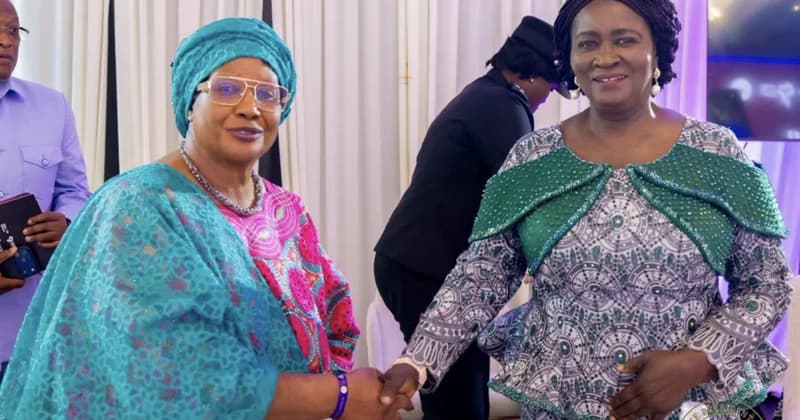
Vice President Professor Jane Naana Opoku-Agyemang has called for the formal recognition of the historical and contemporary leadership roles played by African women. Speaking at the Women’s Leadership Breakfast in Accra, she argued that while women have consistently demonstrated leadership abilities across the continent, their contributions frequently remain unacknowledged in mainstream narratives. She noted that women have always led, even when their efforts were "unseen" or relegated to the background.
The event, which was hosted by Queen Consort Olori Ivie Atuwatse III, brought together several prominent figures, including former Malawian President Dr. Joyce Banda and former Mauritian President Dr. Ameenah Gurib-Fakim. During the discussions, Professor Opoku-Agyemang emphasized that the narrative around African leadership must evolve to include these hidden contributions to ensure a more accurate representation of the continent's progress and to inspire future generations of female leaders.
To address systemic barriers facing women, the Vice President highlighted recent legislative and institutional steps taken by the government. She pointed to the Social Protection Act 2025 and the upcoming establishment of the Women’s Development Bank as critical tools to empower women economically. According to the Vice President, these initiatives are designed to dismantle financial barriers that have traditionally limited women's participation in large-scale entrepreneurship and governance, providing the necessary capital and legal framework for sustainable growth.
Professor Opoku-Agyemang concluded her remarks by urging stakeholders to move beyond rhetoric and focus on practical collaboration. She stressed the importance of aligning the inherent potential of women with tangible opportunities to ensure sustainable development. By creating a supportive ecosystem through both policy and social recognition, she noted that Ghana and the wider continent could fully leverage the leadership talent and economic power of its female population.
