••
Jacob Anaba demands tiered salary system for public sector workers
•2 min read•6 sources
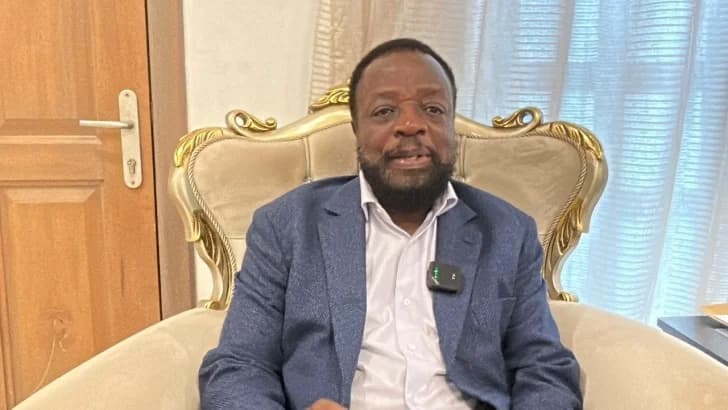
Jacob Anaba, President of the National Association of Graduate Teachers (NAGRAT), has rejected the uniform 8% base pay increase agreed for 2027, calling it "unjustifiable" and "inadequate" for lower-level employees. Anaba is advocating for a restructured pay adjustment framework that establishes specific minimum and maximum base pay levels. He argues that a flat percentage increase fails to address the financial realities of those at the bottom of the scale, some of whom earn as little as GH₵700 per month, while those at the top earn upwards of GH₵15,000.
The NAGRAT president expressed deep concern over the widening wage gap and questioned the effectiveness of the Fair Wages and Salaries Commission in protecting low-income earners. By implementing a tiered approach rather than a uniform percentage, Anaba believes the government can provide more targeted relief to workers struggling to meet basic living costs. This proposal highlights a growing dissatisfaction among labor leaders with the current method of across-the-board wage adjustments which, they argue, only serves to exacerbate existing inequities.
Supporting this stance, the Public Services Workers’ Union (PSWU) has called for a total overhaul or abolition of the Single Spine Pay Policy. PSWU General Secretary Bernard Adjei described the 8% increase as unrealistic, stating it does not reflect the actual needs of workers. The union pointed to years of inconsistent administration as the root of current salary inequalities and expressed frustration over delays in the work of the independent Emoluments Committee, which was intended to investigate these disparities.
Adding a political dimension to the debate, Dr. John Enyonam Kpikpi, the presidential candidate for the Progressive Alliance for Ghana (PAG), described the proposed increments as "woefully inadequate and pitiful." Kpikpi proposed a minimum increment of 20% and called for an urgent review of Article 71 benefits for political office holders. He argued that political leaders must align their remuneration with the economic realities of ordinary workers to promote fairness. These combined calls from labor and political figures signal an increasing pressure on the government to move beyond the current 8% agreement toward a more comprehensive reform of public sector compensation.
graphic.com.gh
PrimarypoliticsPublic sector pay: Dr Kpikpi calls for review of Article 71 benefits
myjoyonline.com
politicsPSWU wants single spine pay policy scrapped over growing inequalities
myjoyonline.com
politics‘Some members are suffering; GH¢700 a month is unjustifiable’ — NAGRAT president
myjoyonline.com
politicsNAGRAT demands minimum and maximum base pay to address wage inequality
gbcghanaonline.com
politicsKpikpi describes public sector pay increment as ‘pitiful’, calls for review of Article 71 benefits
myjoyonline.com
politics8% pay rise: ‘We are not being paid realistic salaries’— PSWU
