••
JUSAG begins indefinite strike over delayed salary and allowance reviews
•2 min read•9 sources
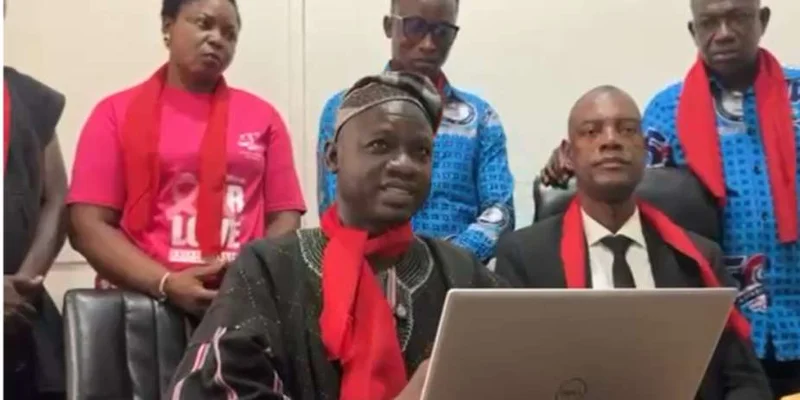
The Judicial Service Staff Association of Ghana (JUSAG) has commenced an indefinite nationwide strike, effectively paralyzing court operations across the country. The industrial action, which began on November 2, 2026, was triggered by the government's failure to approve and implement long-awaited salary and allowance adjustments under Constitutional Instrument (CI) 141. The strike has disrupted proceedings at all levels of the judiciary, from the District Courts to the Supreme Court, as staff demand the immediate presidential approval of recommended salary reviews and the payment of outstanding arrears.
In response to the crisis, Labour Minister Emmanuel Kwadwo Agyekum met with JUSAG leadership to urge a reconsideration of the strike. While the Minister expressed dissatisfaction with the disruption and claimed an agreement to improve allowances had been reached, JUSAG President Samuel Afotey Otu remained firm. Otu insisted that the strike would persist until the agreement is formally signed and the implementation process begins. General Secretary Abdulai Yakubu added that despite interventions from the Chief Justice, the association requires concrete commitments rather than verbal promises, especially after members rejected a previous proposal from the Ministry of Finance due to a lack of consultation.
Tensions have been exacerbated by JUSAG's criticism of Dr. George Smith-Graham, CEO of the Fair Wages and Salaries Commission (FWSC). The association accused the Commission of making unilateral decisions that undermine the negotiation process. JUSAG leaders emphasized that the FWSC must adhere to legal provisions regarding judicial salaries and consult the association before finalizing any agreements. The union maintains that the lack of engagement and the government's slow pace in addressing the 2026 salary arrears left them with no alternative but to withdraw their services.
The ongoing industrial action has drawn sharp criticism from the Minority in Parliament, who claim the strike exposes the government's inability to manage public sector labor relations. Minority Leader Alexander Afenyo-Markin argued that the government has had ample time to address the concerns of judicial staff and noted that similar grievances remain unresolved across other public sector unions. As the strike enters its second day, legal experts and litigants are facing increasing uncertainty, with JUSAG maintaining that judicial operations will only resume once their financial demands are satisfactorily met.
citinewsroom.com
PrimarypoliticsJUSAG accuses Fair Wages CEO of taking unilateral decisions in salary talks
myjoyonline.com
politicsWe are not happy with the JUSAG strike - Labour Minister
citinewsroom.com
politicsJUSAG to meet Employment Minister today as strike enters Day 2
modernghana.com
politics“We want action” – JUSAG to meet Labour Ministry as indefinite strike continues
citinewsroom.com
politicsMinority: JUSAG strike exposes NDC government's cluelessness
graphic.com.gh
newsJUSAG strike halts court proceedings nationwide
myjoyonline.com
newsCape Coast Court Complex falls silent as JUSAG strike locks out litigants
gbcghanaonline.com
newsJudicial Service appeals for calm as JUSAG begins indefinite strike
classfmonline.com
newsJUSAG strike remains in force despite talks with Chief Justice