••
Islamic State claims killing 400 JNIM fighters in Sahel turf war
•2 min read•1 source
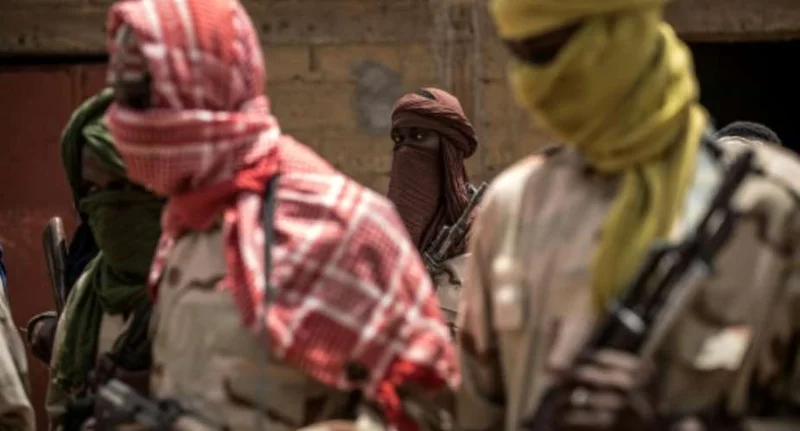
Recent intense clashes between rival jihadist factions in the Sahel region have reached an unprecedented scale, according to a United Nations report. Fighting between the Al-Qaeda-linked Group for the Support of Islam and Muslims (JNIM) and the Islamic State - Sahel Province (ISSP) has intensified significantly since September, resulting in hundreds of fatalities across Burkina Faso, Mali, and Niger. This escalating conflict marks a violent shift in the regional security landscape as both groups vie for dominance in the volatile tri-border area.
In one of the most significant recent encounters, the ISSP claimed responsibility for killing over 400 fighters from JNIM. This surge in violence is part of a broader pattern of internecine conflict; since 2019, the two groups have fought more than 320 battles, leading to an estimated 2,200 deaths across the region. The UN report highlights that the current scale of these battles represents a sharp escalation from previous years, indicating that earlier efforts to maintain localized truces have largely failed.
Analysts suggest that the ongoing tensions reflect deep-seated ideological and strategic divides. JNIM tends to prioritize local recruitment and building alliances with traditional leaders to establish a form of grassroots governance. In contrast, ISSP follows a more rigid transnational ideology, often employing extreme violence to enforce its authority and rejecting the compromises often made by its Al-Qaeda-linked rivals. Despite the heavy losses reported in recent clashes, JNIM is still considered to be the stronger force in the region in terms of overall manpower and territorial influence.
The escalating turf war between these groups creates further instability for the transitional governments of Mali, Burkina Faso, and Niger. While the internal fighting may temporarily distract the groups from attacking state targets, the violence continues to displace thousands of civilians and complicates international efforts to restore security in West Africa. The outcome of this power struggle is expected to determine which group will ultimately control the strategic corridors across the Sahel.
