••
Burkina Faso, Mali and Niger agree to joint ECOWAS working groups
•2 min read•1 source
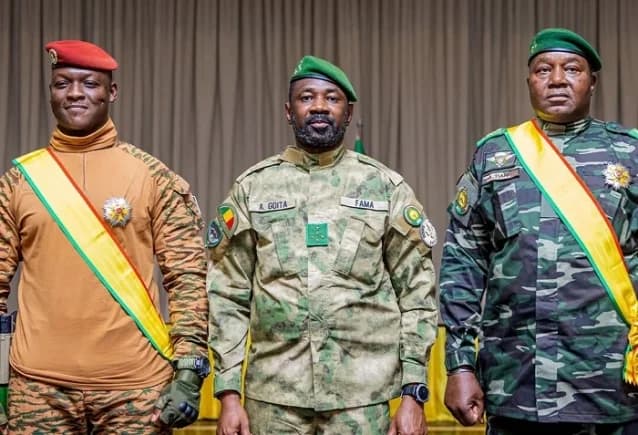
Burkina Faso, Mali, and Niger have officially resumed formal dialogue with the Economic Community of West African States (ECOWAS), signaling a potential shift in regional diplomacy. During a ministerial meeting held in Dakar, Senegal, on October 17, 2026, the three Sahelian nations and the regional bloc agreed to establish joint working groups tasked with drafting a proposed cooperation agreement. This development follows over two years of diplomatic estrangement after the countries announced their immediate withdrawal from ECOWAS in January 2024.
The newly formed working groups will be responsible for conducting technical discussions to refine the terms of the cooperation framework. According to a joint communiqué issued after the Dakar meeting, the resulting draft will be presented for ministerial review before the next scheduled session of the regional body. The discussions emphasized the critical importance of maintaining good neighborly relations and prioritizing the socio-economic interests of citizens across both the ECOWAS region and the three Sahelian states.
The move represents a tentative bridge between ECOWAS and the Alliance of Sahel States (AES), which was formed by the military-led governments of Burkina Faso, Mali, and Niger after their exit from the bloc. Their withdrawal had initially been triggered by heavy sanctions and pressure from ECOWAS to return to constitutional rule following a series of military takeovers. The resumption of talks suggests a mutual recognition of the practical challenges posed by regional fragmentation, particularly regarding trade, security, and the movement of people.
Participants at the Dakar summit expressed appreciation for the government of Senegal for its role in facilitating the meeting and supporting efforts toward regional integration. While the specific details of the proposed cooperation agreement remain under negotiation, the agreement to establish formal communication channels marks the most substantive diplomatic progress since the 2024 split. The outcome of these technical working groups will be pivotal in determining the future of West African unity and collective security frameworks.