••
Indo-Ghana Industries Launches Local Liquid Medical Oxygen Production to Bolster Healthcare Supply
•2 min read•2 sources
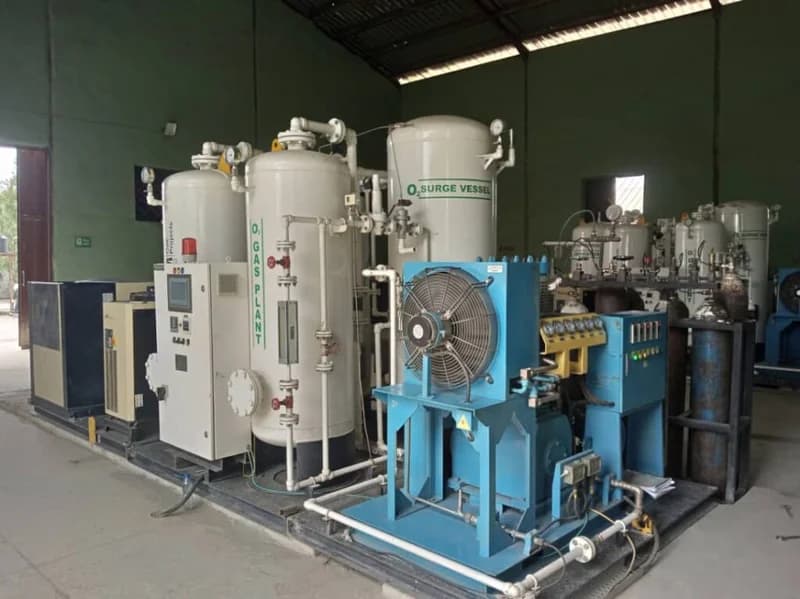
Indo-Ghana Industries has officially commenced the supply of locally produced liquid medical oxygen to Ghanaian healthcare facilities, marking a significant shift in the country's medical infrastructure. The initiative kicked off with a successful delivery to Lekma Hospital, which has been equipped with a modern cryogenic storage system. This transition from traditional, labor-intensive cylinder-based distribution to liquid oxygen storage is designed to eliminate chronic logistical delays and high transportation costs that have historically hampered emergency medical care. The facility currently produces approximately 10 tonnes of liquid oxygen daily, providing a much-needed domestic alternative to imported supplies.
The new cryogenic setup at Lekma Hospital serves as a blueprint for a nationwide rollout, featuring a storage tank with a capacity equivalent to 1,000 cylinders of gaseous oxygen. This system allows hospitals to maintain a reliable three-month reserve of high-purity oxygen, a critical improvement over the frequent shortages experienced during the COVID-19 pandemic. Supported by development partners including USAID and the Clinton Health Access Initiative (CHAI), storage tanks have already been installed in approximately 15 hospitals across Ghana. The company aims to implement a "hub-and-spoke" distribution model to ensure that even smaller facilities can benefit from this streamlined supply chain.
Despite the operational success, Indo-Ghana Industries and hospital officials have highlighted several systemic challenges that threaten the sustainability of local production. High electricity costs and significant delays in payments from hospitals remain primary obstacles. To mitigate these risks, the company is advocating for medical oxygen producers to be granted "critical service status," which would protect production lines from power outages. Furthermore, there is a growing call for a comprehensive national medical oxygen policy to better manage distribution and ensure that the healthcare system remains resilient against future respiratory health crises.
