••
President Ibrahim Traoré Prioritizes Infrastructure Overhaul to Transform Burkina Faso’s Sporting Landscape
•2 min read•1 source
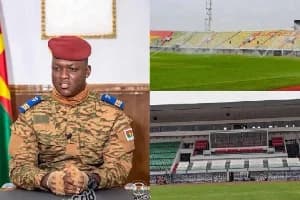
Since assuming leadership in 2022, Burkina Faso's President Ibrahim Traoré has initiated a comprehensive revitalization of the nation’s sporting landscape. Recognizing sports as a critical pillar for national development and youth engagement, the administration has focused on major infrastructure projects designed to modernize aging facilities. This strategic shift aims to enhance the country's capacity to host international competitions and provide a professional environment for domestic athletes, signaling a new era for Burkinabè sports. The cornerstone of this agenda is the extensive renovation of the historic Stade du 4-Août in the capital city, Ouagadougou. As the nation's primary venue for major events, the upgrade is essential for meeting international standards and restoring the facility to its former prestige. Simultaneously, the government is overseeing the construction of the new Stade de Léguéma in Bobo-Dioulasso. By developing world-class facilities outside of the capital, the administration is working to decentralize sports excellence and provide the country’s second-largest city with the resources needed to nurture local talent and host high-profile football matches. Beyond physical infrastructure, President Traoré has emphasized increased support for football, which remains the most popular sport in the country. These initiatives include professionalizing the domestic league and ensuring that national teams receive the necessary backing to compete effectively on the continental stage. By investing in both modern facilities and administrative support systems, the government seeks to create a sustainable ecosystem where athletes can thrive and represent Burkina Faso with pride internationally. These developments represent a significant effort to leverage sports for social cohesion and international visibility. As the renovations and construction projects progress, the focus will likely shift toward the long-term maintenance of these assets and the potential for Burkina Faso to bid for major African tournaments. The successful completion of these projects will serve as a benchmark for the administration's broader development goals, highlighting a commitment to providing the youth with the infrastructure necessary for athletic and personal success.


