••
Huawei and Government Partners Scale Digital Skills Training to Reach 100,000 Ghanaians
•3 min read•4 sources
Ghana's digital education landscape is undergoing a significant transformation as multiple stakeholders launch ambitious training initiatives designed to bridge the technology gap and prepare the workforce for the future. Leading this charge, Huawei has commenced a massive digital skills programme aimed at equipping 100,000 Ghanaians with advanced technology skills over the next four years. This initiative is a cornerstone of the Government of Ghana's 'One Million Coders Programme,' focusing on high-growth sectors including Cloud Computing, Artificial Intelligence (AI), 5G, Datacom, and Security. The first phase, which began on August 31, 2026, features a 'Training of Trainers' course to create a sustainable pipeline of certified instructors who will receive joint accreditation from Huawei and the Ministry of Communication, Digital Technology, and Innovations.
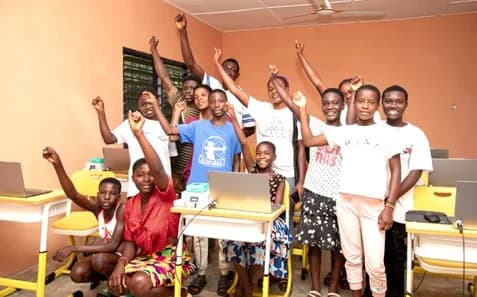
Complementing these large-scale efforts is the 2025 'Girls-In-ICT' initiative, which recently brought together 100 young girls from the Volta and Upper West Regions for intensive training. Under the theme 'Girls in ICT for Inclusive Digital Transformation,' the five-day programme provides hands-on experience in coding, AI, and entrepreneurship. Communication Minister Hon. Samuel Nartey George has emphasized the administration's commitment to bridging the gender gap in technology, urging participants to transition from being mere consumers of technology to becoming innovators and creators. This drive is further bolstered by mentorship from female professionals intended to inspire long-term career paths in the tech sector.
Beyond software and coding, new partnerships are emerging to address the specific needs of Africa's industrial sector. Skills for Progress Africa, in collaboration with ELAF Industrial Automation, recently launched an inaugural fellowship programme in Accra. While the initial cohort consists of 10 fellows, organizers have set an ambitious target to scale the project to 10,000 participants. The fellowship is specifically designed to bridge the disconnect between theoretical technical education and workplace readiness, incorporating mentorship and leadership development to cultivate a workforce capable of solving complex industrial challenges across the continent.
Grassroots infrastructure development remains a critical component of this national digital strategy. The Hunger Project - Ghana has recently inaugurated a new ICT Centre at Domi Achiansa in the Ayensuano District to serve nine surrounding communities. Equipped with internet access and hardware, the facility aims to provide digital literacy training to 300 local youth, directly improving their employability and access to global information. Local leaders, including Barima Korli Wayo I and THP-Ghana Country Leader Agatha Quayson, have noted that while private and NGO initiatives provide essential tools, continued government support for digital infrastructure is vital to ensuring that no community is left behind in Ghana's digital economy.

