••
General Horta N’Tam urges Guinea-Bissau presidential guard to disarm
•2 min read•1 source
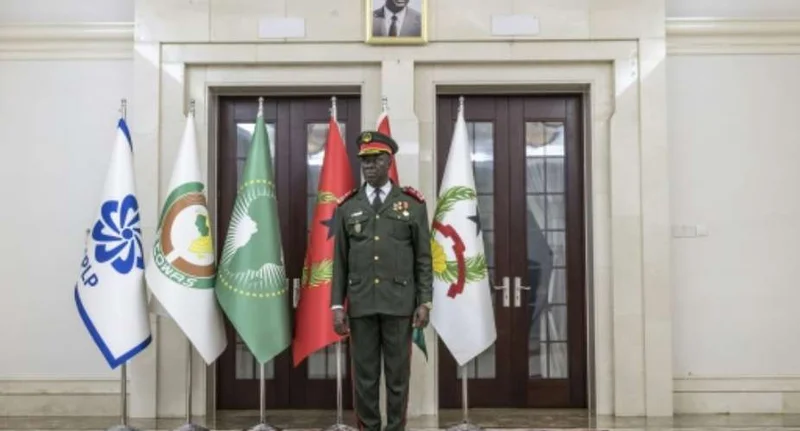
General Horta N’Tam, the leader of Guinea-Bissau’s ruling junta, has issued a formal call for the presidential guard unit formerly loyal to Umaro Sissoco Embalo to voluntarily surrender their weapons. This directive follows the military coup that removed Embalo from power following the presidential elections held last November. The junta leader framed the disarmament as a necessary step toward stabilizing the nation and preparing for a transition back to democratic governance through scheduled national polls.
The disarmament process specifically targets the elite unit that served as the personal security force for the exiled former president. General N’Tam emphasized that the surrender of arms should be immediate and voluntary to avoid consequences that could arise from resistance. Currently, members of the guard are being closely supervised by junta-aligned forces, a situation that has reportedly led to growing discontent and tension within the ranks of the unit.
These developments occur as the junta attempts to adhere to a timeline for restoring civilian rule, having scheduled new elections for December 6. While the military leadership has distanced itself from the previous administration, the political climate remains fraught with uncertainty. Significant security concerns have already been raised regarding the potential return of Embalo to the country, as his presence could complicate the fragile transition process and influence the upcoming electoral environment.
Guinea-Bissau has a long history of political volatility, characterized by frequent coups and interventions by the armed forces. The success of the upcoming December elections remains a point of concern as the junta navigates the challenges of restructuring the military hierarchy and ensuring a peaceful handover. The international community continues to monitor the situation, focusing on whether the disarmament of the presidential guard will foster lasting stability or trigger further internal friction.
