••
Hope for Future Generations and LifeCare Foundation Lead Major Health Interventions Targeting HIV Prevention and Drug Abuse
•2 min read•3 sources
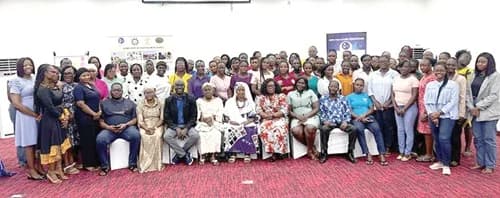
Over 32,000 adolescent girls and young women (AGYW) in Ghana have been empowered through innovative HIV prevention initiatives as non-governmental organizations and health agencies ramp up public health outreach across the country. These efforts, which span from large-scale HIV education programs to localized anti-drug campaigns in Accra’s suburbs, highlight a concerted drive to address the diverse health challenges facing the nation’s youth. By combining peer-led education with community-level direct engagement, stakeholders are aiming to reduce infection rates and promote healthier lifestyle choices among the most vulnerable demographics.
The AGYW Project, a collaborative effort between Hope for Future Generations (HFFG) and the Ghana Health Service, has made significant strides across the Greater Accra, Eastern, and Ashanti regions. By utilizing a mix of peer education, social media outreach, and community-based services, the initiative has successfully disseminated tailored sexual and reproductive health information to a demographic often missed by traditional medical outreach. Leadership from both HFFG and the National AIDS Control Programme have emphasized that while the 32,000-person milestone is a substantial achievement, sustained community engagement and increased HIV testing uptake remain critical to the ultimate goal of eliminating HIV among teenagers and young adults.
Complementing these sexual health efforts, the LifeCare Foundation recently launched a targeted drug abuse awareness campaign in the Accra suburbs of Nima and Mamobi. On August 28, 2026, the foundation engaged residents in open discussions regarding the systemic pressures that lead to substance abuse and the severe health risks associated with it. The campaign underscored the importance of community involvement in recognizing the value of young people's lives and advocating for their future well-being. Organizers noted a high level of active participation from the local population, suggesting a growing community readiness to tackle the social and psychological factors that contribute to addiction.
Beyond these structured institutional programs, broader public discourse in Ghana is increasingly focusing on the foundational role of personal health and hygiene in maintaining overall wellness. Recent public inquiries into personal care and its impact on interpersonal relationships suggest that health education must extend into all facets of daily life and behavioral habits to be truly effective. Moving forward, the success of these diverse health initiatives—ranging from national HIV prevention to grassroots drug awareness and personal wellness—will depend on continued funding, tailored communication strategies, and the active participation of youth to ensure a healthier future for the next generation of Ghanaians.


