••
HIDAH Humanitarian Foundation provides free healthcare to Dodowa residents
•2 min read•2 sources
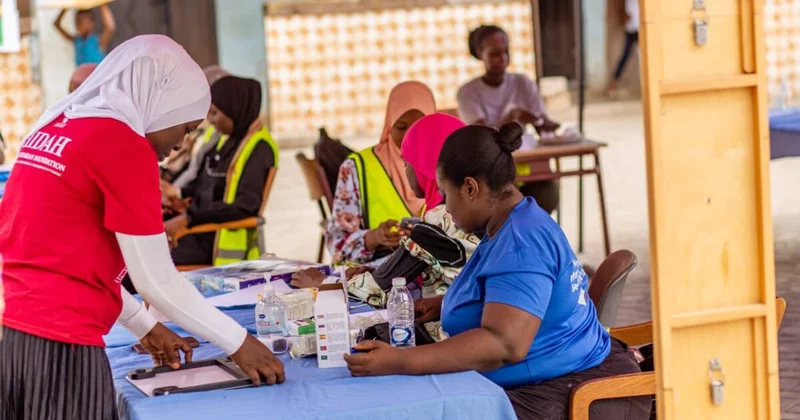
The HIDAH Humanitarian Foundation has successfully conducted a free medical outreach program at the Home of Taqwa Orphanage in Dodowa to improve healthcare access for vulnerable children and local community members. The initiative was designed to address the significant financial barriers that often prevent residents in the Shai-Osudoku District from seeking essential medical attention. By bringing healthcare services directly to the community, the foundation sought to identify and treat ailments before they escalated into more serious health complications.
During the outreach, beneficiaries received a variety of services, including general medical consultations, Ear, Nose, and Throat (ENT) screenings, and vital signs assessments. Mujahida Ibrahim Prah, the founder of the HIDAH Humanitarian Foundation, emphasized that the outreach was rooted in the belief that quality healthcare should be accessible to everyone, regardless of their economic status. She highlighted the importance of early detection, noting that many minor health issues can be easily managed if caught early, potentially saving lives and reducing long-term medical costs for families.
The event received significant support from various partners, including Majd International School, Vaal Real Estate, and the Delta Diagnostic Centre. These collaborations allowed the foundation to provide a higher standard of care and reach a broader segment of the population. Beneficiaries, such as orphanage caretaker Waris Alhassan and local resident Alima Mohammed, expressed their gratitude for the intervention. They noted that the high cost of hospital visits and diagnostic tests often forces them to delay treatment, making such community-based initiatives vital for their daily wellbeing.
Looking ahead, the HIDAH Humanitarian Foundation has expressed its commitment to sustaining these health initiatives as part of its broader mission to support underserved communities in Ghana. The foundation plans to organize similar outreaches in other regions, focusing on areas with limited medical facilities and high poverty rates. By fostering partnerships with private organizations and educational institutions, the foundation aims to create a more inclusive healthcare support system for the nation’s most vulnerable citizens.
