••
Telecel Ghana Foundation settles medical bills for 500 vulnerable patients
•2 min read•1 source
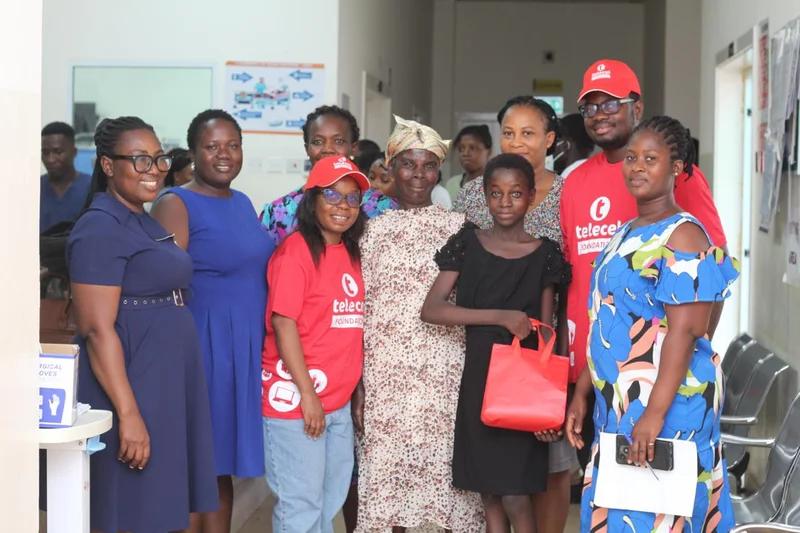
The Telecel Ghana Foundation has launched its 2026 "Homecoming" initiative, a nationwide philanthropic effort aimed at settling the medical debts of more than 500 vulnerable patients across 16 health facilities. The program specifically targets individuals who have been medically discharged but remain confined to hospital wards due to their inability to pay for their treatment. By clearing these outstanding balances, the foundation ensures that patients, including children with chronic conditions and trauma survivors, can finally return home to continue their recovery in a supportive environment.
Among the notable cases highlighted during the initiative's rollout was a young patient at the Cape Coast Teaching Hospital. The child, an orphan under the care of a guardian, had been battling a chronic infection that led to significant weight loss and a prolonged hospital stay. Through the Homecoming program, her medical bills were settled in full, allowing her to be discharged to her caregiver. Other beneficiaries across the country included a survivor of severe burns and a patient managing sickle cell disease, both of whom faced mounting costs that had become insurmountable for their families.
To ensure the long-term sustainability of the beneficiaries' health, the Telecel Ghana Foundation is also facilitating registration for the National Health Insurance Scheme (NHIS). This additional layer of support is designed to prevent a recurrence of medical debt by providing these vulnerable individuals with ongoing access to essential healthcare services. By integrating insurance registration into the discharge process, the foundation aims to empower patients to manage their health proactively without the immediate fear of future financial distress.
This year’s initiative marks a continuation of the foundation’s commitment to social responsibility and health equity across Ghana’s regions. By focusing on patients in dire financial need, the Telecel Ghana Foundation addresses the critical issue of "hospital detention" while simultaneously alleviating the financial pressure on healthcare facilities burdened by unpaid arrears. The program remains one of the most significant private-sector interventions in the Ghanaian health sector, providing a vital lifeline to hundreds of families.