••
National Theatre Executive Director Henry Herbert Malm Urges Corporate Ghana to Invest in Performing Arts for Economic Growth
•2 min read•2 sources
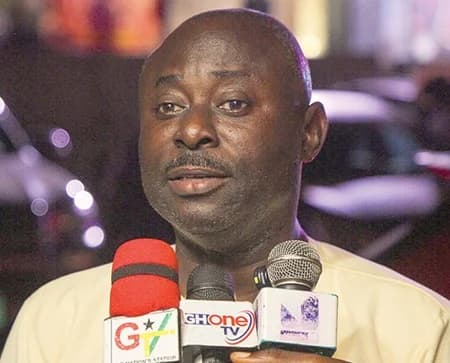
Henry Herbert Malm, the Executive Director of the National Theatre of Ghana, has issued a strategic call to corporate institutions to pivot from traditional sponsorship models toward direct investment in the performing arts. Speaking during the 2026 Ghana Theatre Festival, Mr. Malm argued that the creative sector is a viable economic engine capable of delivering sustainable returns while safeguarding the nation's cultural identity. He emphasized that the industry holds immense potential for job creation and the unlocking of commercial opportunities that remain largely untapped by the private sector.
The appeal was made during an open-air concert by the National Symphony Orchestra, held in celebration of International Music Day. Mr. Malm noted that theatre serves as a fundamental pillar for national identity and urged corporate partners to view their financial contributions as strategic investments in intellectual property rather than mere branding exercises. By treating the arts as a business venture, he suggested that both the corporate world and the creative community could benefit from the reliable returns generated by high-quality theatrical productions and cultural events.
The 2026 Ghana Theatre Festival serves as a critical platform for showcasing Ghanaian cultural expressions to a global audience. As part of the festival's activities, the National Theatre is highlighting the historical significance of the National Symphony Orchestra and organizing awards ceremonies to honor veterans of the industry. A major focal point of the upcoming calendar is the production of "The Darkest Hour," a theatrical piece that explores the profound themes of African liberation and historical resilience.
Ultimately, the National Theatre’s leadership aims to create a more sustainable financial ecosystem for the arts in Ghana. By encouraging corporate Ghana to take an active stake in the performing arts, Mr. Malm believes the industry can better preserve national history while providing a robust platform for modern creative talent. This shift toward investment is seen as a necessary step to ensure that Ghanaian theatre remains competitive and continues to contribute meaningfully to the country’s socio-economic development.

