••
Minister Haruna Iddrisu and Rotary Club Champion Enhanced Alumni and Community Investment in Schools
•2 min read•2 sources
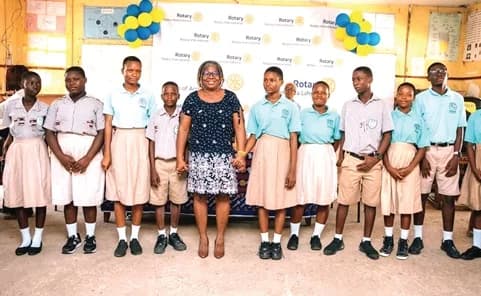
Education Minister Haruna Iddrisu and the Rotary Club of Accra Labone have intensified calls for private stakeholders and alumni networks to play a more active role in supporting Ghana’s educational infrastructure and literacy development. These dual efforts, highlighted during a high-profile networking gala and a community literacy competition, underscore the growing importance of external partnerships in bridging the resource gap within the public school system. By focusing on both capital investment and foundational literacy, these initiatives aim to provide a more holistic support structure for students across the country.Speaking at the Old Schools Alumni Networking Gala Dinner, Minister Haruna Iddrisu urged old students’ associations to move beyond social gatherings and transform their networks into robust platforms for investment and mentorship. He emphasized that alumni have a critical responsibility to support their alma maters, particularly less-resourced schools that often lack basic facilities. The event also served as a platform to recognize excellence in alumni leadership, with Dr. Ernest Ofori-Sarpong being named the Old Schools Alumni President of the Year 2026 for his significant contributions to school development and networking excellence.In a practical demonstration of community-led intervention, the Rotary Club of Accra Labone recently organized a spelling bee competition for students at La Yahoushua Junior High School. The initiative aimed to enhance vocabulary development and promote a culture of reading among the youth. Rotary Club President Mercy Odzawo noted that the competition is part of a broader commitment to the school, which has previously included the donation of computers and the establishment of a functional library. The winner of the competition, Dorothy Mawuena Batanyi, demonstrated the power of diligent preparation by rising from a ninth-place finish in previous rounds to take the top prize, which included a tablet to aid her future studies.The success of these initiatives highlights a shared vision between government figures and civic organizations: that the future of Ghanaian education depends on a collective effort. By leveraging the professional expertise of alumni mentors and the philanthropic resources of service clubs like Rotary, schools can provide students with the tools and inspiration needed to succeed in a modern economy. As these partnerships continue to evolve, the focus remains on ensuring that every student, regardless of their school's resource level, has access to quality mentorship and modern learning materials.

