••
Education Minister Haruna Iddrisu Advocates Pivot to Foundational Learning and Announces $300 Million Infrastructure Expansion
•2 min read•6 sources
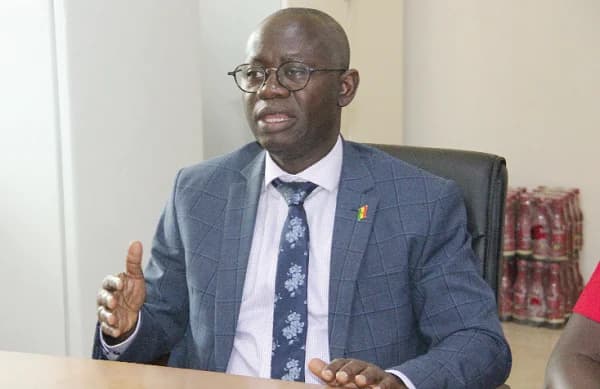
Education Minister Haruna Iddrisu has signaled a significant policy shift in Ghana's educational priorities, calling for a strategic reallocation of resources from secondary education toward foundational learning at the basic level. Speaking on JoyNews’ Newsfile, the Minister emphasized that while the Free Senior High School (SHS) policy remains a significant fixture of the landscape, the previous administration's excessive focus on secondary spending came at the expense of critical early literacy and numeracy skills. According to the Minister, strengthening basic education is essential for children's long-term academic success and requires a more balanced distribution of the national budget. Addressing the financial and logistical challenges of the sector, Mr. Iddrisu noted that the government has already committed GH¢3.4 billion to the national school feeding program. He criticized the immediate past administration for failing to match the expansion of SHS access with adequate infrastructure, which he argued has led to the current difficulties within the Computerised School Selection and Placement System (CSSPS). To address these inherited gaps, the government under President John Mahama is now pursuing a $300 million expansion program. This initiative involves the construction of 10 new model senior high schools in deprived and urban areas to alleviate the pressure on existing facilities. Complementing the government's infrastructure drive, Professor Kwasi Opoku-Amankwa, the former Director-General of the Ghana Education Service, has proposed converting approximately 160 under-enrolled day senior high schools into boarding institutions. This move is intended to redistribute students and ease the congestion in more popular schools by making lesser-known institutions more attractive to parents and students. Professor Opoku-Amankwa also recommended a 10-year national program to upgrade secondary infrastructure and advised that the double-track academic calendar be retained for the time being. He warned that the immediate removal of the double-track system could leave thousands of students without placements until the infrastructure deficit is fully addressed. As the Mahama administration moves forward with these reforms, the focus remains on creating a sustainable educational ecosystem that values both access and quality. By acknowledging the contributions of past administrations through the Ghana Education Trust Fund (GETFund) while addressing current systemic imbalances, the Ministry of Education aims to bridge the gap between basic and secondary learning outcomes. These combined efforts—ranging from foundational investment to large-scale infrastructure upgrades—represent a multi-faceted approach to resolving the structural challenges facing Ghana's schools and ensuring that no student is left behind due to placement or facility constraints.
Related topic
Ghana Education Service (GES): Latest News Today →
