••
Guinea-Bissau to Pilot ECOWAS Regional Health Policy Supported by €1.5m Laboratory Infrastructure Investment
•2 min read•2 sources
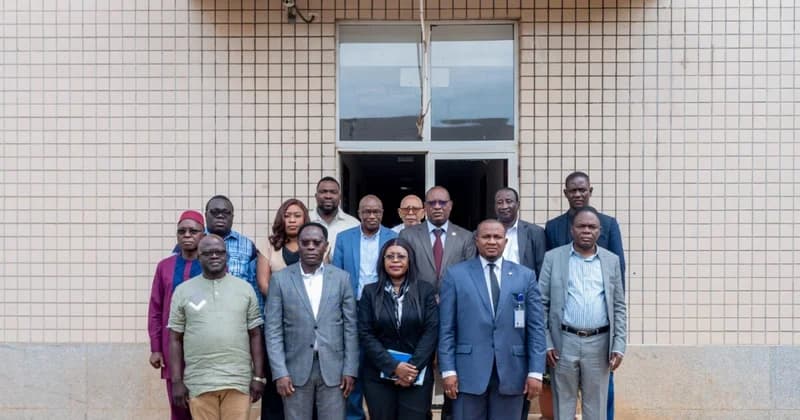
Guinea-Bissau has emerged as a central figure in West African public health following its selection by the West African Health Organisation (WAHO) to pilot a new regional community health policy. This strategic move coincides with a significant €1.5 million investment in the country’s diagnostic infrastructure, aimed at bolstering disease detection and response capabilities across the sub-region. The dual initiative underscores a commitment to strengthening national health systems as a foundation for regional security against epidemiological threats.
The official mission began on 18 August 2026, when WAHO Director General Dr. Melchior Athanase Joël C. Aïssi initiated high-level discussions in Bissau to secure institutional support for the new policy. A key feature of this regional policy is its multisectoral approach; notably, the mission involved the Ministry of Agriculture to ensure a comprehensive strategy for community health. By piloting this initiative, Guinea-Bissau will serve as a model for other ECOWAS member states, helping WAHO refine the technical and institutional frameworks necessary for effective regional execution.
Following the policy discussions, a formal ceremony was held on 19 August 2026 to hand over €1.5 million worth of state-of-the-art laboratory equipment to Guinea-Bissau’s National Public Health Laboratory. The donation is part of the PROALAB project, an initiative funded by the German government to enhance laboratory diagnostics and epidemiological surveillance. The ceremony was attended by Dr. Aïssi and Guinea-Bissau’s Minister of Public Health, Commodore Dr. Quinhin Nantote, marking a milestone in the country's technical capacity to manage public health crises.
This collaborative effort represents a broader shift toward regional self-reliance and proactive health management in West Africa. The WAHO mission, which includes technical workshops running through 21 August, aims to ensure that the new equipment is integrated effectively into the national surveillance network. As Guinea-Bissau implements these advanced tools and policy frameworks, the outcomes will provide critical data for ECOWAS as it seeks to harmonize health standards and response protocols across all member states.
