••
Korle Bu Cardiac Catheterisation Laboratory treats 80 patients
•2 min read•1 source
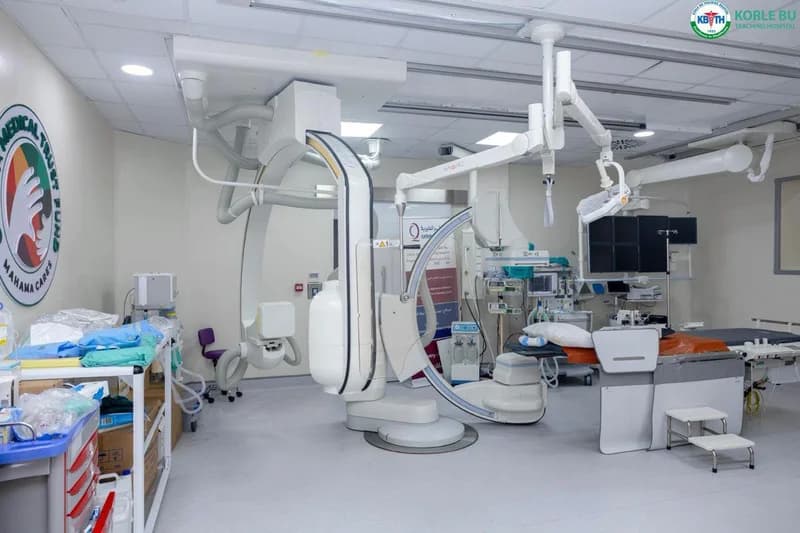
The new Cardiac Catheterisation Laboratory at the Korle Bu Teaching Hospital has successfully provided specialized cardiovascular services to over 80 patients in its first three months of operation. Commissioned in July 2026, the facility has quickly transitioned into a functional medical hub, beginning clinical procedures within just one week of its official opening. This rapid deployment has enabled the hospital to handle a steady stream of patients requiring advanced diagnostic and therapeutic interventions for various heart conditions.
Dr. Kow Entsua-Mensah, Director of the National Cardiothoracic Centre (NCTC), reported that the laboratory’s early success demonstrates the urgent need for expanded cardiac care infrastructure in Ghana. The facility is equipped to perform complex cardiovascular diagnoses and treatments, providing a critical resource for patients who previously faced limited options for such specialized care. The throughput of more than 80 patients in such a short period reflects both the efficiency of the initial setup and the high demand for cardiac services at the national referral hospital.
However, the laboratory's operational capacity is currently tempered by a significant shortage of specialized personnel. Dr. Entsua-Mensah highlighted that while the facility boasts state-of-the-art equipment, the lack of a sufficiently large pool of trained staff poses a challenge to maximizing its potential. He stressed the importance of dedicated investment in the education and training of healthcare professionals to manage the lab’s sophisticated technology and to keep pace with the increasing number of patients seeking treatment.
Moving forward, the National Cardiothoracic Centre aims to address these human resource gaps through targeted training programs and strategic recruitment. Ensuring a steady supply of skilled technicians and cardiac specialists is seen as essential for the long-term sustainability of the laboratory. By strengthening its workforce, Korle Bu Teaching Hospital intends to enhance its delivery of life-saving interventions and solidify its position as a leader in cardiovascular medicine within the West African sub-region.


