••
Guinea-Bissau Military Junta Blocks Return of Exiled Former President Umaro Sissoco Embalo Ahead of December Elections
•2 min read•1 source
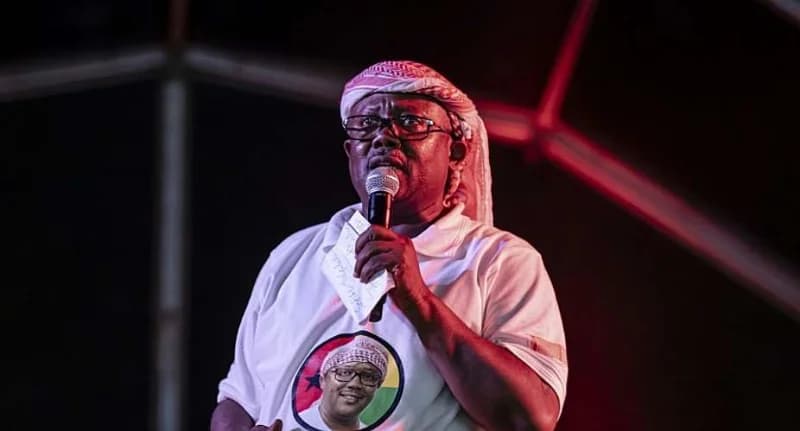
The military junta in Guinea-Bissau has officially declared that the current security environment is unsuitable for the return of exiled former President Umaro Sissoco Embalo. This announcement comes as Embalo, who was ousted from power in November 2024, signaled his intention to return to the country to contest the upcoming general elections scheduled for December 6. The junta's decision effectively stalls the former leader's bid to regain office, citing the need to preserve national stability during a fragile transition period.
In a statement justifying the move, the military leadership emphasized that the preservation of public order and national security remains the immediate priority. The junta, which seized control shortly after Embalo's removal last year, argues that his presence at this time could jeopardize the social fabric of the nation. Guinea-Bissau has a long and turbulent history marked by frequent coups and political upheaval, and the current administration maintains that the security conditions are not yet met for high-profile political returns that might spark further unrest.
Despite the official ban, supporters and political activists had been planning a significant welcome for the former president to bolster his campaign efforts. However, the military has maintained strict restrictions on political gatherings and public protests to prevent any escalation of volatility. These concerns are further compounded by recent reports of internal unrest within the presidential guard, highlighting the fragile state of the country's security apparatus as it navigates the lead-up to the polls.
The ongoing standoff highlights the deep-seated political divisions that continue to plague Guinea-Bissau. As the December 6 election date approaches, the exclusion of a major political figure like Embalo raises critical questions about the inclusivity and transparency of the transition back to civilian rule. Regional bodies and international observers remain focused on whether the country can break its cycle of military intervention and successfully conduct peaceful elections amidst these persistent security challenges.
