••
African Governance Shifts: Comoros Implements Restrictive Labor Law While Guinea Frees Opposition Leader Aliou Bah
•2 min read•2 sources
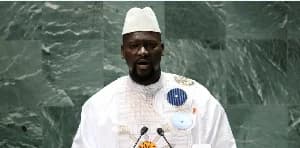
Across the African continent, governments are taking divergent paths in addressing internal pressures, resulting in significant shifts for both migrant workers and political dissidents. In the Comoros, a new labor law enacted in July has sparked widespread concern among the Malagasy migrant community. The legislation, designed to promote "economic sovereignty," restricts specific employment sectors to citizens by birth, effectively threatening the livelihoods of thousands of Malagasy nationals. Vendors like Larissa Razafitiana have expressed fear over the law’s impact on their ability to support families back home through remittances, while critics warn that the measure carries xenophobic undertones that could worsen regional economic fragility.
This trend toward exclusionary labor policies in the Comoros mirrors similar populist and protectionist movements observed in East African neighbors like Tanzania and Kenya, as well as in South Africa. For many Malagasy women working in the Comoros, the law creates a state of extreme precariousness, forcing them to navigate a shrinking job market while facing potential social hostility. Economic analysts suggest that while the law aims to bolster the domestic workforce, it risks alienating essential migrant contributors who have long been integrated into the local trade ecosystem.
In West Africa, the political landscape in Guinea has seen a different kind of development with the release of prominent opposition leader Aliou Bah. After serving nearly two years in prison for allegedly "insulting" junta leader General Mamadi Doumbouya, Bah was granted a presidential pardon. The move comes after sustained pressure from rights groups and political adversaries who have accused the military regime of intensifying its repression of dissent since the 2021 coup. Bah’s freedom is seen by some as a potential olive branch, though the underlying environment of political restriction remains a significant concern for international observers.
These developments in the Comoros and Guinea highlight the complex interplay between nationalistic economic policies and the protection of civil liberties. While the Comorian government focuses on reclaiming domestic markets through restrictive legislation, the Guinean administration is navigating the fallout of its crackdown on political speech. Together, these events underscore a broader continental struggle to balance state authority with the rights and livelihoods of individuals, whether they are political actors or migrant workers seeking economic stability.