••
GTEC warns universities against exceeding doctoral admission capacity
•2 min read•2 sources
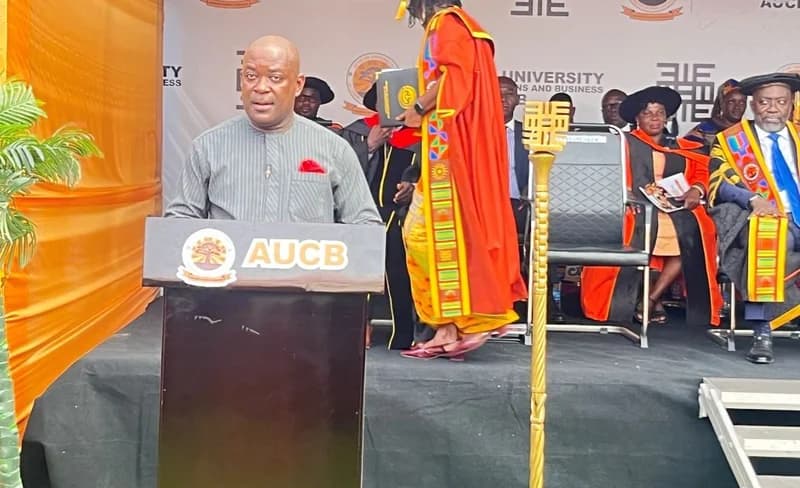
The Ghana Tertiary Education Commission (GTEC) has issued a stern warning to universities across the country to refrain from admitting more doctoral candidates than their existing infrastructure and faculty can support. Speaking at the graduation ceremony of the African University of Communication and Business, GTEC Director-General Professor Ahmed Abdulai Jinapor emphasized that over-admission poses a significant threat to the quality and credibility of doctoral education in Ghana. He urged institutions to strictly align their intake with their actual capacity, ensuring that every candidate has access to the necessary resources and qualified mentorship.
Professor Jinapor stressed that the integrity of doctoral degrees depends heavily on the availability of qualified supervisors and adequate research infrastructure. He advocated for a "quality over quantity" approach, noting that admitting students without sufficient oversight compromises academic standards and the global standing of Ghanaian qualifications. The Director-General’s remarks come as part of a broader effort by the commission to monitor educational quality in response to evolving teaching methods and the proliferation of academic programmes across the country.
Beyond admission quotas, the Director-General addressed the evolving landscape of higher education, specifically the rise of emerging technologies like Artificial Intelligence (AI). He encouraged the 350 graduating students to embrace lifelong learning and technological innovation but cautioned them to maintain independent thinking and academic integrity. He reminded the new graduates that while technology can enhance their professional output, it must not replace the critical analysis and original thought expected of high-level scholars.
The ceremony also highlighted the commission's ongoing efforts to protect the public from unaccredited institutions. Professor Jinapor indicated that GTEC remains vigilant in its monitoring roles to ensure that all tertiary institutions meet national benchmarks. The event concluded with the recognition of outstanding students, including overall best graduate Barbara Kafui Abram, whose journey of perseverance was cited as an example of the resilience required in the modern professional landscape.


