••
GTEC Directs UDS to Halt Unauthorized LLB Format as Regional and Religious Leaders Debate School Management
•2 min read•3 sources
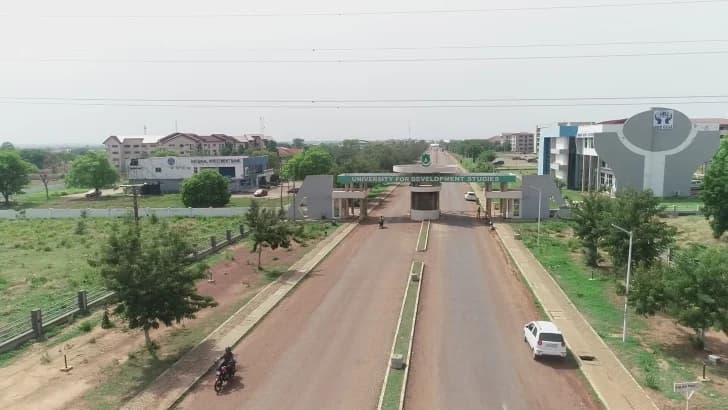
The Ghana Tertiary Education Commission (GTEC) has issued a stern directive to the University for Development Studies (UDS), ordering the immediate cessation of its unauthorized weekend LLB programme. According to GTEC, the university must revert to its accredited evening mode of delivery for the law programme immediately. The Commission warned that failure to comply within seven days could result in severe regulatory actions, including the potential suspension or revocation of the programme's accreditation. This move aims to ensure that students are not subjected to unapproved academic changes or financial disadvantages that breach existing accreditation conditions.
Simultaneously, administrative oversight is tightening at the basic and secondary levels in the Central Region. Regional Minister Ekow Panyin Okyere Eduamoah has cautioned school authorities against the unauthorized use of public classrooms for religious services. Speaking at a commissioning ceremony in Cape Coast, the Minister expressed concern that such practices lead to the rapid deterioration of educational infrastructure. He emphasized that without proper authorization and maintenance protocols, the frequent use of classrooms by churches and religious groups compromises the quality of facilities intended for student learning, placing an undue burden on state resources.
These regulatory developments coincide with a broader national conversation initiated by the Christian Council of Ghana (CCG) regarding the religious character of educational institutions. Most Rev. Dr. Paul Kwabena Boafo has called for reforms to protect the religious identity of mission-founded schools while simultaneously safeguarding the constitutional freedoms of students. At a forum in Accra, the Council advocated for a balanced approach that promotes both national development through education and a robust protection against religious discrimination within the school environment, affirming that schools must foster an atmosphere of mutual respect.
Together, these events highlight an increasing push for accountability and adherence to established standards across Ghana's educational landscape. From tertiary accreditation compliance to the management of physical assets and the protection of religious rights, authorities are seeking to balance institutional growth with strict regulatory frameworks. As UDS prepares its response to GTEC and school heads in the Central Region adjust to new directives, the ongoing dialogue with the Christian Council suggests that the future of Ghanaian education will be shaped by a complex negotiation between secular regulation and religious heritage.

