••
GTBank Ghana Donates Essential Paediatric Oncology Equipment to Greater Accra Regional Hospital
•2 min read•1 source
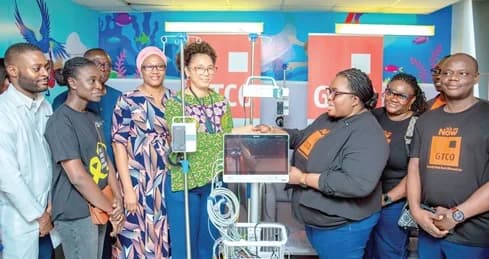
GTBank Ghana has bolstered the healthcare delivery capacity of the Greater Accra Regional Hospital through a significant donation of specialized medical equipment to its Paediatric Oncology Unit. This contribution is specifically designed to enhance the quality of care and treatment provided to children diagnosed with cancer, a demographic that requires highly sensitive and resource-intensive medical attention. The initiative reflects a growing trend of corporate institutions intervening to support Ghana’s public health infrastructure, particularly in specialized fields like oncology. The donated equipment includes high-precision infusion pumps, chemotherapy kits, and specialized recliner chairs tailored for pediatric use. Infusion pumps are critical in oncology for the precise delivery of medication dosages, while the chemotherapy kits provide the necessary tools for safe treatment administration. Furthermore, the inclusion of recliner chairs addresses the need for patient comfort, as children often spend several hours stationary while receiving intravenous therapies. These items are expected to streamline clinical workflows and improve the therapeutic environment for the young patients. During the presentation ceremony, representatives from GTBank emphasized the institution's commitment to community health and social investment. They acknowledged that effective healthcare requires more than just medical expertise; it necessitates the availability of modern, functional equipment. By targeting the paediatric oncology sector, the bank aimed to provide support where the emotional and financial toll on families is often most severe. This donation serves as a cornerstone of the bank's corporate social responsibility strategy, focusing on sustainable impacts within the Ghanaian health sector. Hospital officials, receiving the items, expressed deep appreciation for the gesture, highlighting that such support is crucial for the facility’s operational efficiency. They noted that the Greater Accra Regional Hospital serves a large and diverse population, and the new resources will help alleviate some of the pressures on the oncology unit. This partnership underscores the importance of public-private collaborations in addressing the gaps within the national health system, ultimately ensuring that children suffering from cancer have a better chance at recovery and a more dignified treatment experience.

