••
GTBank, ECG Power Queens, and ‘Wheels of Hope’ Initiative Bolster Healthcare Resources Across Ghana
•2 min read•3 sources
Corporate entities and community-driven projects have launched a series of significant interventions aimed at enhancing medical delivery and emergency response across Ghana. From the capital city to the most remote "last mile" communities in the Upper West Region, these contributions address critical gaps in paediatric oncology, neonatal care, and emergency transport. These efforts highlight a growing trend of private and non-governmental partnerships supplementing the national health agenda to ensure more equitable access to life-saving services for vulnerable populations.
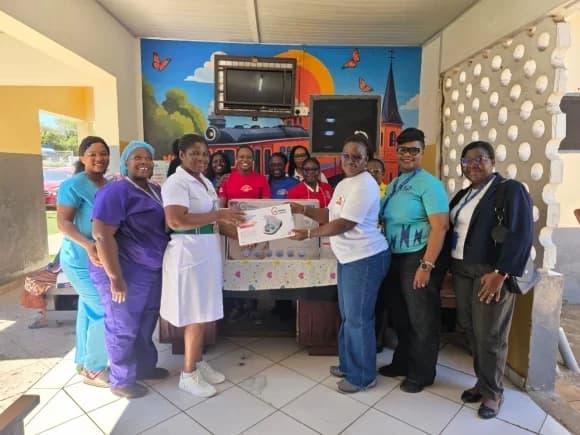
In the Greater Accra Region, healthcare for children has received a major boost through targeted donations from the corporate sector. GTBank Ghana recently donated specialized medical equipment to the Paediatric Oncology Unit of the Greater Accra Regional Hospital, including recliner chairs, chemotherapy kits, and infusion pumps. Hospital officials noted that these resources are crucial for improving the comfort and care of children undergoing cancer treatment. Simultaneously, the Tema branch of the ECG Power Queens Club celebrated its 38th anniversary by donating a handheld pulse oximeter and a nebulizer to the Fridoug Children's Block of the Tema Urban Hospital. These items, presented by President Annabel Buabasa Zormelo, are expected to significantly enhance the hospital's capacity to manage respiratory and vitals monitoring for young patients.
While urban centers focus on specialized equipment, the "Wheels of Hope" project is addressing the stark geographical disparities in healthcare access in the Upper West Region. Five "last mile" communities that have long struggled with poor road conditions and a lack of emergency transport have received five specially designed tricycle ambulances. Previously, residents were forced to rely on motorbikes to transport patients during emergencies—a practice that often led to tragic fatalities. Funded through international partnerships, these new ambulances are built to navigate difficult terrain, providing a safer and more reliable link to medical facilities. Local communities have already begun organizing collective maintenance strategies to ensure the longevity of these vehicles.
These diverse interventions underscore a multi-faceted approach to improving Ghana's health outcomes. While high-tech equipment in urban centers like Tema and Accra enhances the quality of specialized care, the introduction of rugged transport solutions in rural areas addresses the fundamental issue of physical access to clinics. As hospital administrators and community leaders express their gratitude for these resources, the success of these initiatives suggests that continued collaboration between the private sector, international partners, and local stakeholders will remain essential for the modernization and expansion of the country’s healthcare infrastructure.

