••
Grace Ayensu-Danquah calls for specialized care for premature babies
•2 min read•3 sources
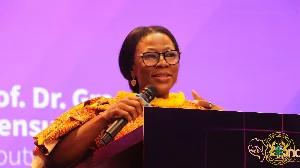
Deputy Minister of Health, Professor Dr. Grace Ayensu-Danquah, has called for a significant increase in investment toward neonatal healthcare to ensure the long-term development of premature babies. Speaking at the 3rd Purple for Prematurity Summit, she emphasized that while survival is the first milestone, infants born prematurely require specialized follow-up care and ongoing medical attention to thrive. She noted that the journey for these vulnerable newborns extends far beyond their initial days in a neonatal intensive care unit and necessitates a more comprehensive approach to pediatric health.
Prof. Ayensu-Danquah highlighted that the government is already taking steps to address maternal and newborn mortality through the Presidential Initiative on Maternal Health Emergency Response (PRIMER). This initiative is designed to curb preventable deaths and improve the responsiveness of the health system to emergencies. However, she argued that survival alone is insufficient, stressing that the state and healthcare providers must work together to ensure that survivors of preterm birth receive the specialized monitoring and interventions required to avoid long-term developmental challenges.
Supporting this call, Selma Bentoom, the founder of the African Foundation for Premature Babies and Children, advocated for the formal development of a National Action Plan on Prematurity. She specifically urged the government to integrate follow-up services for premature infants into the National Health Insurance Scheme (NHIS). This integration is seen as a critical step to ensure that healthcare remains accessible and consistent for families after their babies are discharged, preventing financial barriers from hindering the child's development.
The summit concluded with a consensus among stakeholders that enhanced collaboration is essential to improving neonatal outcomes across Ghana. By focusing on both immediate survival and sustained long-term support, the Ministry of Health aims to create a healthcare environment where every premature child has the opportunity to reach their full potential. The calls for expanded NHIS coverage and a structured national policy represent a significant shift toward prioritizing the specialized needs of the country's most vulnerable newborns.


