••
Ghana Medical Trust Fund expands coverage for chronic diseases
•2 min read•1 source
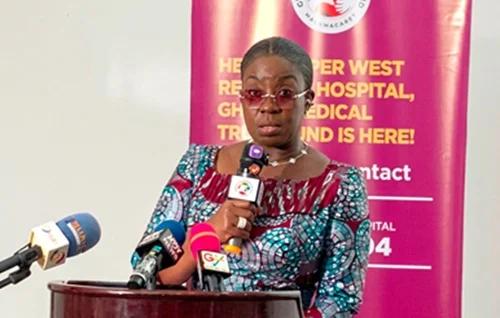
The Ghana Medical Trust Fund (GMTF) has announced a significant expansion of its support package to cover a broader range of chronic conditions, including additional types of cancer, cardiovascular diseases, and complex neurosurgical procedures. This strategic move is designed to alleviate the mounting financial pressure on vulnerable Ghanaians who require specialized medical care for non-communicable diseases. By extending these benefits, the Fund aims to ensure that life-saving treatments are no longer determined solely by a patient’s ability to pay, but by their medical necessity.
Fund Administrator Adjoa Obuobia Darko-Opoku explained that the initiative, which was a vision championed by President John Dramani Mahama, operates on a multi-faceted approach. Beyond direct financial assistance for patients, the GMTF is mandated to invest in critical medical infrastructure and the specialized training of healthcare professionals. This holistic strategy seeks to build a more resilient national health system capable of managing the increasing prevalence of long-term health conditions across the country.
The expansion comes at a critical time as Ghana faces a rising tide of chronic non-communicable diseases (NCDs). Dr. Norbert Kipo, a Health Policy Advisor, emphasized that these conditions represent a persistent public health challenge that requires sustained intervention. Regional health officials have also pledged to intensify public awareness campaigns to ensure that citizens are aware of the available support, while stressing the importance of transparency and accountability in how the Fund’s resources are allocated to beneficiaries.
Looking ahead, the Fund's leadership is prioritizing early detection and prompt treatment as central pillars of their operations. By facilitating access to diagnostic services alongside treatment coverage, the GMTF hopes to improve patient outcomes and survival rates for conditions like cancer and heart disease. The ongoing commitment from the government and health administrators suggests a long-term shift toward comprehensive social health protection for all Ghanaians.


