Anansi News
HomeBriefsAsk GhanaTopicsTools
•
•

Stay Informed

Get AI-curated news briefs from Ghana delivered to your inbox every morning. Free forever, no spam.

Explore

  • Home
  • Briefs
  • About

Categories

  • Politics
  • Business
  • Sports
  • Entertainment
  • Africa

Features

  • Analysis
  • Cedi Rates
  • Dollar to Cedi
  • Ghana Gold Price
  • BoG Policy Rate

Topics

  • Armed Forces Recruitment
  • WAEC Results & News
  • Nana Ama McBrown
  • NDC News
  • All Topics

Legal

  • Privacy Policy
  • Terms of Service
Anansi News© 2026. All rights reserved.
Made withfor Ghana
business

Tourism Minister Abla Dzifa Gomashie Outlines Investment Opportunities in Ghana’s Creative and Hospitality Sectors

30th July•2 min read•6 sources
Tourism Minister Abla Dzifa Gomashie Outlines Investment Opportunities in Ghana’s Creative and Hospitality Sectors
  1. Home
  2. /Business
  3. /Tourism Minister Abla Dzifa Gomashie Outlines Investment Opportunities in Ghana’s Creative and Hospitality Sectors

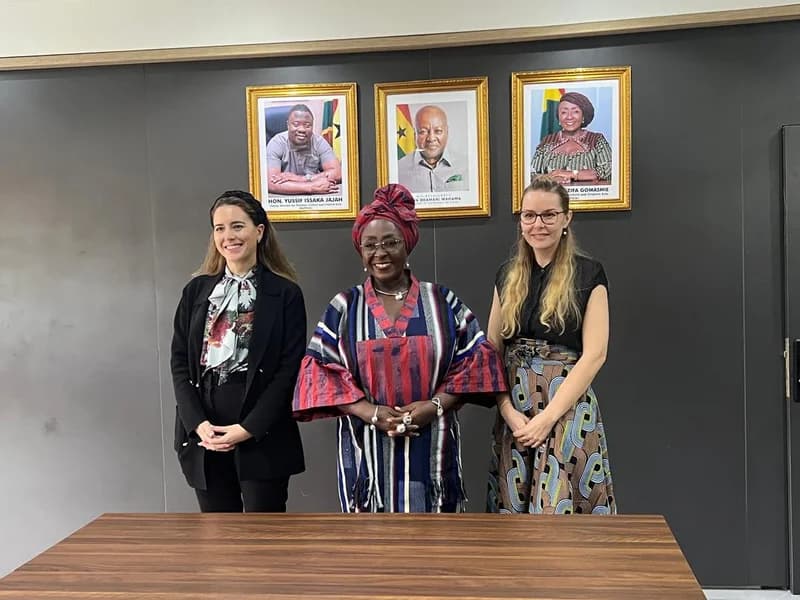
The Minister for Tourism, Culture and Creative Arts, Abla Dzifa Gomashie, has issued a comprehensive call to both local and international investors to capitalize on the burgeoning opportunities within Ghana’s tourism, hospitality, and creative industries. Speaking in a recent interview, the Minister emphasized the government’s strategic objective to position Ghana as the premier destination for cultural investment in West Africa. This push is part of a broader national agenda to leverage the country’s rich heritage and vibrant creative economy to drive sustainable economic growth and job creation under the current administration.

Central to the government’s strategy is the development of high-quality infrastructure and human capital. Minister Gomashie highlighted the urgent need for new hotel developments and the establishment of a world-class tourism and hospitality training institution. Such an institution is envisioned to enhance service delivery standards across the sector, ensuring that Ghana can compete effectively on the global stage. The Minister also urged the Ghanaian middle class to actively participate in the sector by investing in domestic tourism through organized travel and tours, which would strengthen the local ecosystem.

Beyond traditional hospitality, the Minister identified the creative arts—including fashion, music, and film—as high-growth areas with significant potential for international collaboration. With Ghanaian artists gaining increasing global recognition, Gomashie encouraged international streaming platforms and global fashion brands to establish a more robust presence in the country. By fostering a business-friendly environment and providing government support for new enterprises, the Ministry aims to turn Ghana into a hub for the "creative economy," where local talent can thrive through better access to global markets and modern distribution channels.

The investment appeal of Ghana was further underscored by Clementine Hazeran of One World Media, who praised the nation’s renowned hospitality and the warmth of its people as significant draws for visitors and financiers alike. As the government continues to market Ghana as Africa’s gateway for heritage tourism, the focus remains on creating a resilient tourism sector that not only preserves cultural identity but also serves as a pillar for national development. The Minister’s invitation marks a pivotal moment for stakeholders to align with Ghana’s vision of becoming a cultural and economic powerhouse on the continent.

Our Take

From the Team

Coming Soon

Our team will add key insights, trends, and actionable takeaways to help you stay informed faster.

This story touches markets covered on Anansi Intelligence ↗.

More from business

Continue exploring similar stories

 Ndiyakupi Nghituwamata (left), the Namibian High Commissioner, and James Gunu, Volta Regional Minister
business|Yesterday

COPEC Challenges Government Strategy on 24-Hour Economy Amidst Namibian Trade Tour and Rising Global Fuel Demand

Ghana's business landscape is currently shaped by a combination of strategic diplomatic engagements in the Volta Region and critical evaluations of President John Mahama's flagship 24-hour economy policy. While international actors like Namibia’s High Commissioner explore regional investment opportunities, local industry experts are urging the administration to prioritize essential infrastructure and security over physical market construction. These domestic developments occur against a backdrop of shifting global energy dynamics and new regulatory standards for the informal transport sector in Northern Ghana. Duncan Amoah, the Executive Secretary of the Chamber of Petroleum Consumers (COPEC), has raised significant concerns regarding the implementation of the 24-hour economy. Amoah argues that for the initiative to truly transform the nation’s productivity, the government must focus on creating conducive conditions rather than simply building new structures. He highlighted that essential factors such as enhanced night-time security, improved street lighting, and specific business incentives for off-peak operations are the real catalysts for a functional night economy. Without these safeguards, Amoah warns that significant infrastructure investments may fail to yield the intended economic benefits. Parallel to these policy debates, Namibia’s High Commissioner to Ghana, Ndiyakupi Nghituwamata, has commenced a five-day economic familiarization tour of the Volta Region to strengthen trade ties. In meetings with regional officials, including Regional Minister James Gunu, the High Commissioner sought to identify prospects in tourism, agriculture, and cross-border trade. The Volta Region is being positioned as a prime investment hub due to its proximity to Togo and its relative lack of illegal mining issues, which offers a stable environment for international collaboration and shared prosperity between the two nations. In the transport sector, the National Road Safety Authority (NRSA) is advancing the formalization of commercial operations by sensitizing motorcycle and tricycle operators in Bolgatanga on Legislative Instrument (L.I.) 2519. This regulatory push requires operators to register with recognized unions and adopt mandatory identification measures, such as yellow number plates, within a six-month transition period. Meanwhile, on the global stage, Aliko Dangote’s $20 billion refinery in Lagos has seen a massive surge in demand due to disruptions caused by international conflicts, reportedly boosting the billionaire’s fortune by over $5 billion as nations seek alternative fuel sources outside of traditional Middle Eastern routes. These diverse developments—ranging from local regulatory shifts in Bolgatanga to global energy market fluctuations—underscore the complex environment facing the current administration. The success of Ghana’s economic agenda will likely depend on balancing these international trade opportunities with the rigorous domestic implementation of safety standards and the strategic infrastructure demands of the 24-hour economy. As the six-month grace period for transport operators continues, the focus remains on whether the government will pivot its strategy to meet the security and lighting requirements demanded by industry players.

 Kojo Aduhene (right), CEO of LMI Holdings, briefing President John Dramani Mahama about the progress of work
business|Yesterday

President Mahama Revives Saglemi Housing Project as Real Estate Sector Showcases Resilient Growth

President John Mahama has signaled a new era for Ghana’s housing sector, expressing firm confidence in the revival of the Saglemi Housing Project during a recent site visit. The project, which had been stalled for several years due to political transitions and legal disputes, is now set for completion under the management of LMI Holdings. This revitalization effort is a key component of the government's strategy to address the national housing deficit through strategic public-private partnerships. President Mahama urged prospective buyers to register early, noting that demand is expected to be high for the upcoming units. According to the updated development schedule, LMI Holdings is expected to deliver the first 700 housing units by March 2027, with a target of 1,500 units completed by December 2027. Although the project's original scope was 5,000 affordable homes, the current phase focuses on delivering high-quality infrastructure, including modern amenities and high-speed internet. To further enhance the project's viability, the government is planning a railway connection to facilitate easier commuting for residents. Additionally, various financial institutions are in the process of creating specialized mortgage products to make these homes more accessible to the Ghanaian public. The renewed energy in the national housing sector is mirrored by the success and resilience of private real estate entrepreneurs who continue to shape the industry. A notable example is Theresa Oppong-Beeko, whose career trajectory highlights the determination required to succeed in Ghana's competitive business landscape. After facing a significant setback at age 25 when her first business venture collapsed, leaving her with $2.5 million in debt, Oppong-Beeko returned to school to sharpen her business skills. Her subsequent pivot into the real estate sector and her eventual success serve as an inspiring benchmark for entrepreneurship within the industry. As the Saglemi project transitions from a symbol of stalled investment to a beacon of urban development, the convergence of government-led initiatives and private-sector resilience points toward a robust outlook for the market. The successful delivery of these housing units and the continued growth of private developers like Oppong-Beeko are essential for providing sustainable, affordable housing solutions. Moving forward, the focus will remain on maintaining this momentum to ensure that infrastructure development continues to drive economic growth and improve the living standards of all Ghanaians.

Manasse Lomachar’s Golden Discovery Triggers Massive Gold Rush in Western Kenya
business|Yesterday

Manasse Lomachar’s Golden Discovery Triggers Massive Gold Rush in Western Kenya

In the remote village of Cheporor in western Kenya, a simple act of goat herding has transformed into a regional economic catalyst. Manasse Lomachar, a local herder, discovered a gold nugget while tending to his livestock, an event that has since sparked an intense gold rush. After Lomachar sold approximately three grams of the precious metal for 36,000 Kenyan shillings (roughly $280), news of his find spread rapidly, drawing thousands of hopeful prospectors to the once-quiet community in search of their own fortunes. The influx of people has transformed the landscape of Cheporor almost overnight. Within just a few weeks of the initial sale, thousands of fortune seekers descended upon the area, many arriving with only handheld tools and rudimentary mining equipment. This sudden demographic shift has significantly overwhelmed the small village's resources and disrupted the daily routines of a community primarily accustomed to livestock rearing. The scale of the movement highlights the economic pressures and the enduring allure of gold in rural Kenya, where a single discovery can represent a life-changing financial windfall for local residents. However, the sudden boom brings with it significant challenges for local authorities and the environment. While the discovery provided Lomachar with immediate financial relief, the broader implications for the region involve complex issues of land rights, environmental degradation, and miner safety. Informal mining sites are frequently prone to soil instability and lack the safety protocols found in regulated industrial operations. As the rush continues, the focus remains on whether the Kenyan government will intervene to formalize these artisanal efforts, ensuring the safety of the prospectors while protecting the long-term interests of the Cheporor community.

Ghana Records $2.62bn FDI in 2025 Amid Calls for Productive Investment and Transparency Over $1.7bn Gold Program Losses
business|Yesterday

Ghana Records $2.62bn FDI in 2025 Amid Calls for Productive Investment and Transparency Over $1.7bn Gold Program Losses

Ghana's investment landscape in 2025 presents a complex picture of robust foreign interest tempered by urgent calls for structural reform and greater fiscal accountability. The country successfully secured approximately $2.62 billion in Foreign Direct Investment (FDI), a figure widely viewed as a sign of continued international confidence despite prevailing economic challenges. However, government officials and economic think tanks are now pushing for a strategic pivot, moving beyond the mere attraction of capital toward securing "productive investments" that explicitly enhance local production, create quality jobs, and facilitate technology transfer. Speaking at the launch of the Ghana Investment Promotion Authority’s (GIPA) 2025 Annual Investment Report, the Minister for Trade, Agribusiness, and Industry, Elizabeth Ofosu-Adjare, emphasized that the true measure of success lies in economic impact rather than raw capital totals. She advocated for a more robust regulatory environment and improved tracking of machinery investments to ensure that capital inflows translate into tangible productivity. This sentiment was echoed by Latif Abdul Oduro, Deputy CEO of the Ghana Free Zones Authority (GFZA), who argued that investment promotion must focus on developing productive capacity and boosting exports to ensure long-term economic stability. Supporting this shift toward impact-driven growth, Bank of Ghana Governor Johnson Asiama underscored the necessity of measuring investments by their effects on living standards and employment. While noting that a decline in inflation has helped restore market confidence, the Governor maintained that the qualitative nature of capital is paramount. The consensus among financial leadership suggests that the regulatory framework must evolve to prioritize sectors that provide sustainable value and support the broader goal of economic transformation under the current administration. Despite these positive investment trends, the Institute of Economic Research and Public Policy (IERPP) has raised significant concerns regarding the Domestic Gold Purchase Program (DGPP). Professor Isaac Boadi, Executive Director of the IERPP, cautioned that the $2.62 billion FDI inflow is significantly offset by reported losses of $1.7 billion (GH’’22 billion) within the DGPP. Representing roughly 65% of the total FDI gain, these losses have prompted calls for urgent transparency and better resource management. The IERPP warns against complacency, urging state institutions to be as accountable for financial losses as they are eager to celebrate investment milestones. As Ghana moves forward, the focus remains on balancing the celebration of foreign capital with the realities of domestic program management. The path to sustainable economic transformation will likely depend on whether the government can successfully implement the regulatory reforms suggested by Minister Ofosu-Adjare while addressing the fiscal leakages identified by economic watchdogs. Ensuring that future capital inflows lead to high-quality jobs and technological advancements remains the primary challenge for the nation's economic planners in the coming year.

All
africa
business
education
entertainment
health
news
politics
sports
technology