••
Ghana’s Education Sector Faces Funding Crises as Teachers Protest Unpaid Salaries and Basic Schools Struggle
•3 min read•7 sources
The Ghana National Association of Teachers (GNAT) and various educator groups have raised urgent alarms regarding a deepening funding crisis within the nation’s basic education sector. Thomas Musah, the General Secretary of GNAT, recently revealed that teachers and headteachers are increasingly forced to use their personal salaries to purchase essential resources and maintain school operations. According to Musah, a staggering disparity exists in the Ministry of Education's budget allocation, with only 9% directed toward basic education compared to 62% for senior high schools. This imbalance, attributed to the high political stakes of the SHS program, has contributed to persistent infrastructure deficits and led to nearly 55,000 candidates failing to secure placements following the 2026 Basic Education Certificate Examination (BECE).
Adding to the sector's volatility, teachers from the 2022 cohort of Colleges of Education have launched protests over 14 months of unpaid salaries. Despite repeated engagements with the Ministry of Education, these educators claim they have not received payments since 2025, resulting in severe financial hardship and mounting debt. The teachers are also demanding the immediate issuance of staff identification cards and have signaled their intent to petition the Ministry of Finance. This financial tension is further exacerbated by public criticism of the Ghana Education Trust Fund (GETFund). Former lawmaker Alexander Abban recently challenged reports of the fund making a "profit," arguing that GETFund was established to improve education through tax revenue rather than acting as a commercial entity, questioning whether it is fulfilling its foundational mandate.
In the absence of sufficient state funding, private organizations and individual leaders are stepping in to bridge the gap through infrastructure and social support. Federated Commodities PLC has broken ground on new Junior High School classroom blocks in the Amenfi West district to save students from traveling long distances for lessons. Similarly, in Cape Coast South, MP George Kweku Ricketts-Hagan provided essential school items—including mattresses, trunks, and school bags—to over 300 freshers entering SHS. Health-focused initiatives like the People and Culture Network’s "Pad a Girl for a Year" program have also targeted the Ahafo Region, providing sanitary products and reproductive health education to students at Yamfo Anglican SHS to ensure that menstruation does not hinder academic participation.
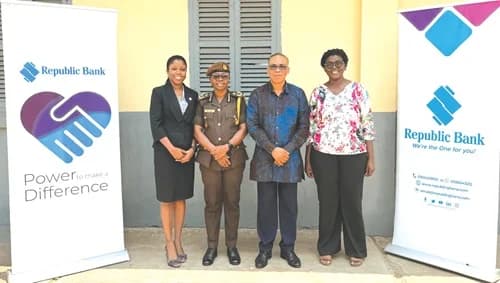
Beyond traditional classrooms, specialized programs are showing success in rehabilitation and financial literacy. Fifty young individuals at the Senior Correctional Centre recently graduated from the RESET programme, a collaborative effort between the University of North Carolina, the University of Ghana, and Republic Bank. By completing modules on budgeting and entrepreneurship, and receiving seed funding for post-release business initiatives, these graduates are being equipped to break the cycle of poverty and stigma. While these grassroots and specialized efforts provide vital support, the overarching challenge remains a systemic need for more equitable government funding to ensure the stability of the basic education system and the welfare of the nation’s teaching workforce.

