••
Ghana Health Service Urges Increased Domestic Funding at Launch of 2026 National Family Planning Week
•2 min read•1 source
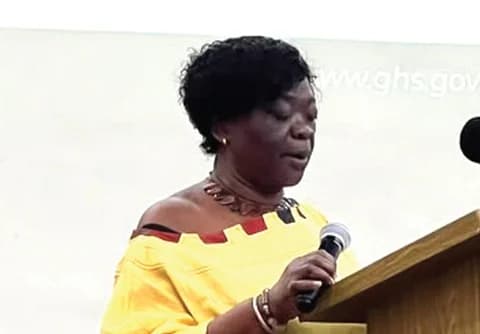
The Ghana Health Service (GHS) has officially launched the 2026 National Family Planning Week, issuing a strong call to action for enhanced domestic investment to bridge the gap in the country's reproductive health needs. Held under the theme "A Choice for All: Agency, Intention, Access," the initiative coincides with World Contraception Day and seeks to consolidate the gains made in maternal and child health over recent years. GHS officials emphasized that while progress in contraceptive uptake has been notable, substantial unmet needs persist among women and couples across the nation, necessitating a more robust and self-sustaining financial framework.
Central to this year's campaign is the strategic push for national ownership and long-term financing. Keynote speakers at the launch highlighted that a heavy reliance on external donor funding poses a significant risk to the sustainability of reproductive health services. By prioritizing domestic resource mobilization, the government and health stakeholders aim to ensure that essential contraceptive supplies and professional counseling services remain available to all citizens, regardless of international aid fluctuations. This shift is viewed as a critical step toward achieving universal health coverage and empowering individuals to make informed decisions about their reproductive lives.
In a move to modernize service delivery and reach a wider audience, the GHS highlighted the role of technology through the "My Family Planning" app. This digital tool is designed to streamline resource distribution and provide accurate, confidential information directly to users, helping to overcome traditional barriers such as social stigma or geographical distance. Furthermore, the week-long celebration will focus on reaching underserved communities and specific demographic groups that have historically faced challenges in accessing family planning services. By integrating these innovative digital solutions with targeted community outreach, the GHS aims to close the equity gap in healthcare.
The 2026 National Family Planning Week serves as a vital platform for multi-stakeholder engagement, bringing together government agencies, healthcare providers, and civil society organizations. As Ghana continues to fulfill its international commitments to reproductive health and rights, the GHS maintains that individual agency and intentionality are vital components of national development. The success of this initiative will ultimately depend on a collective commitment to consistent funding and the effective implementation of strategies that ensure family planning remains a permanent priority on the national health agenda.


