••
Ghana Health Service pilots national emergency bed management system
•2 min read•2 sources
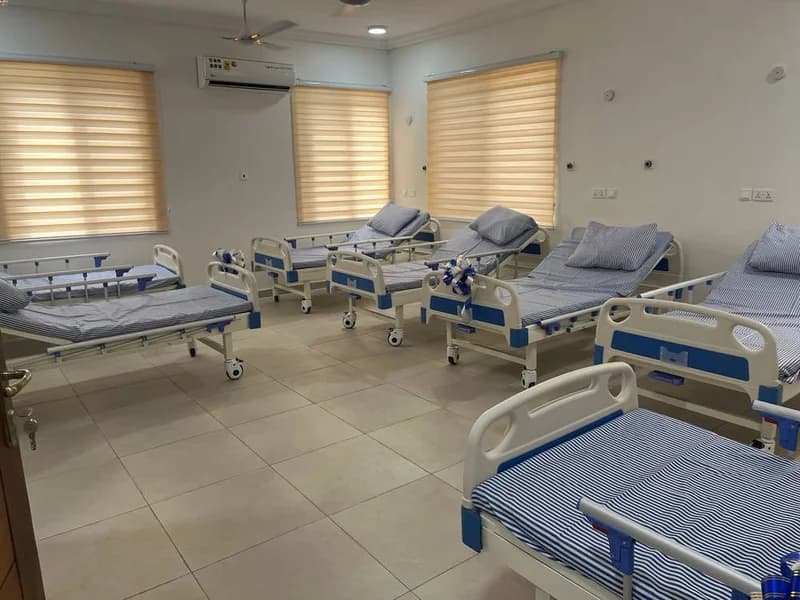
The Ghana Health Service (GHS) has launched a pilot program for an integrated national emergency bed management system designed to eliminate the persistent "no-bed syndrome" in the country's hospitals. Health Minister Kwabena Mintah Akandoh announced the initiative, which seeks to provide real-time data on bed occupancy and hospital capacity to emergency responders and healthcare facilities. By synchronizing information across the health sector, the government aims to ensure that patients are directed to facilities with the immediate capacity to treat them, reducing life-threatening delays during critical transfers.
The new system is anchored by a dedicated command center located at Ridge Hospital, which will oversee more than 200 participating healthcare facilities. According to GHS Director-General Dr. Samuel Kaba Akoriyea, the initiative prioritizes the optimization of existing resources over simply increasing the number of physical beds. The integrated electronic tracking software allows ambulance crews to identify which hospitals have available space before they arrive, facilitating smoother patient referrals and preventing the dangerous practice of transferring patients to facilities that cannot accommodate them.
This technological intervention follows several high-profile tragedies that have highlighted gaps in the referral chain, including the death of a 29-year-old engineer who passed away after being moved between multiple hospitals. Speaking at the Medical Innovation Expo 2026, healthcare experts emphasized that such practical innovations, tailored to the local context, are essential for addressing systemic inefficiencies. The establishment of regional bed management bureaus will further support this effort by coordinating bed space availability at a local level.
Beyond the tracking system, the GHS is planning to expand the program to include a National Teleconsultation Centre, which will offer expert guidance to lower-level healthcare facilities during emergencies. To further enhance the referral network, the government has announced plans to procure 100 new ambulances by 2027. These combined efforts represent a comprehensive strategy to modernize Ghana's emergency medical services and ensure more reliable access to hospital care for all citizens.

