••
Ghanaian Artists and Promoters Grapple with Financial Realities of International Success Following Wembley Triumphs and ShattaFest Setbacks
•3 min read•4 sources
The Ghanaian music industry is facing a period of intense reflection regarding its international expansion and the true cost of global stardom. While some artists celebrate major milestones on prestigious world stages, others are sounding the alarm about the prohibitive financial hurdles and logistical risks associated with breaking into foreign markets. From record-breaking turnouts at London's OVO Arena Wembley to the sudden withdrawal of veteran promoters, the reality of taking Ghanaian music to the world is proving to be a complex mix of artistic triumph and sobering economic strain.
Highlighting the significant economic barriers, singer Lord Paper, born Michael Takyi-Frimpong, has stated that a staggering $5 million investment is required to properly restructure a career for global competition. He emphasized that talent alone is insufficient; sustainable success depends on massive financial backing and sophisticated promotional structures. Rapper Medikal echoed this sentiment, warning fans and fellow artists not to be "deceived" by the optics of international shows. Despite high-profile successes like Stonebwoy’s 12,500-capacity sell-out at Wembley, Medikal pointed out the significant financial hurdles and hidden costs that performers encounter when hosting events outside Ghana.
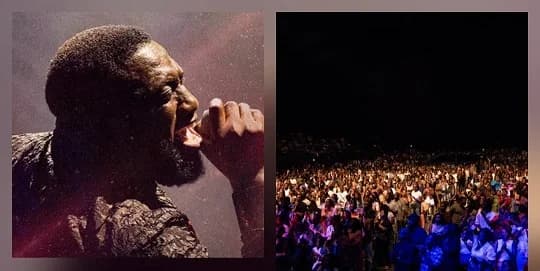
In contrast to these financial warnings, gospel powerhouse MOGmusic recently celebrated what he termed a "divine manifestation" at the OVO Arena Wembley. His "Back to Basics Worship Experience" drew thousands for a night of prayer and music, featuring prominent worship leaders like Joe Mettle and Emmanuel Smith. For MOGmusic, the massive turnout was attributed to divine grace rather than personal success, suggesting that for some, the risks of international staging are justified by the spiritual impact and the opportunity to reach a global congregation.
However, the logistical pressures of international events have recently claimed a major player in the industry. Prominent Ghanaian-UK promoter Alordia announced his decision to step back from event organization following the controversial cancellation of ShattaFest. The event was halted due to overcrowding and unforeseen accidents, leading to intense public criticism. During a discussion on Hitz FM, Alordia defended his record, explaining that the circumstances were beyond his control, but ultimately decided to withdraw from the promotion scene due to the mounting challenges of managing high-stakes international events.
These developments highlight a critical crossroads for Ghana's entertainment sector. As artists like MOGmusic prove that Ghanaian talent can command global venues, the insights from Lord Paper, Medikal, and Alordia serve as a reminder of the immense infrastructure and capital required to sustain such efforts. The future of Ghana’s international cultural export may depend on finding a more sustainable balance between artistic ambition and the harsh economic realities of the global marketplace.
Related topic
Stonebwoy: Latest News & Updates →
