••
Ghana Strengthens Vocational and Technical Training with National Apprenticeship Tools and Advanced STEM Kits
•2 min read•5 sources
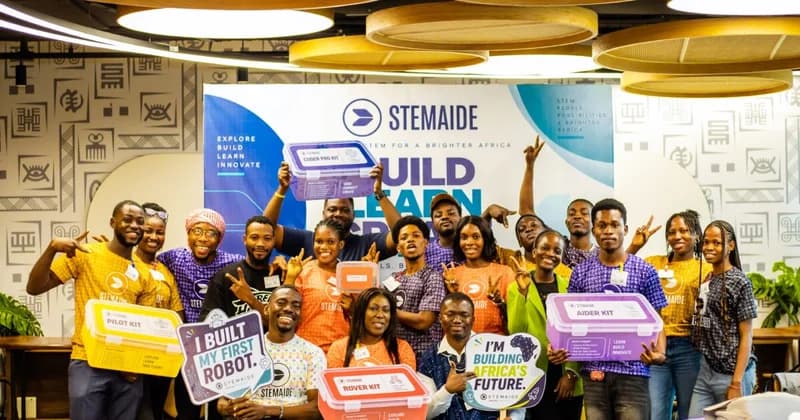
In a significant move to bridge the skills gap and combat youth unemployment, Ghanaian youth are benefiting from dual advancements in vocational training and technology education. In the Wa East District, more than 90 apprentices and master craftspersons have received essential industrial equipment under the government’s National Apprenticeship Programme (NAP). Simultaneously, STEMAIDE Africa has introduced a suite of new learning kits designed to transition students from theoretical studies to practical applications in Artificial Intelligence (AI) and robotics, signaling a nationwide push toward equipping the next generation with diverse, market-ready skills.
The distribution in Wa East represents the first phase of a broader rollout under the NAP, eventually targeting 130 beneficiaries in fields ranging from fashion design and hairdressing to welding and mechanical repairs. Member of Parliament for Wa East, Dr. Godfred Seidu Jasaw, emphasized that the provision of heavy-duty sewing machines and starter kits fulfills a core commitment to youth development and economic independence. To ensure sustainability, the industrial machinery remains the property of the training centers to benefit future cohorts, while both apprentices and master craftspersons receive stipends. Local leaders have cautioned beneficiaries against potential scams, clarifying that all resources provided under the state-sponsored program are free of charge.
Complementing these traditional vocational efforts, STEMAIDE Africa is targeting the high-tech sector with the launch of four specialized STEM learning kits. These include the AIDER Kit for advanced technology projects, the ROVER Kit for robotics, the CODER PRO Kit for coding and the Internet of Things (IoT), and the PILOT Kit focused on aerospace engineering. CEO Prince Boateng Asare noted that these tools are essential for helping students and businesses navigate the complexities of AI to boost productivity. Beyond the classroom, STEMAIDE is also offering consultancy and training services to help businesses integrate AI solutions into their daily operations.
Together, these initiatives reflect a comprehensive approach to human capital development in Ghana. By supporting the informal sector through structured artisanal careers and the formal sector through emerging technologies, the country aims to reduce underemployment and provide a pathway to economic self-sufficiency. As these programs scale, the focus remains on the long-term maintenance of equipment and the continuous updating of curricula to match the evolving demands of both local craft industries and the global digital economy.


