••
Ghana proposes integrating slavery reparations into IMF and World Bank
•2 min read•1 source
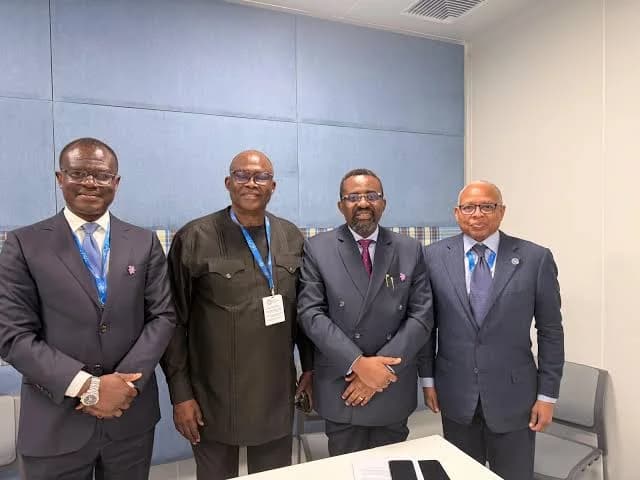
Ghana has formally proposed the integration of reparations for slavery and colonialism into the financing frameworks of the International Monetary Fund (IMF) and the World Bank. Disclosed by Ekwow Spio-Garbrah, the Presidential Special Envoy for Reparations, the initiative seeks to secure additional development resources for economies historically impacted by these practices. This proposal signals a strategic shift in Africa's pursuit of restorative justice, moving from symbolic apologies toward the establishment of concrete financial mechanisms within the global economic order.
The proposal aims to align the case for reparatory justice with the existing mandates of international financial institutions. According to the document revealed by Spio-Garbrah, the objective is to provide affected nations with the resources necessary to address long-standing economic disparities rooted in the colonial era. The Envoy noted that the plan is currently being circulated within the Ghanaian government for internal review and refined coordination before it is formally presented to the leadership of the IMF and the World Bank.
By targeting the Bretton Woods institutions, Ghana is advocating for reparatory justice to be recognized as a formal priority in international development policy. The move suggests that the burden of recovery from historical injustices should be addressed by the global financial systems that grew, in part, from the wealth generated during the era of slavery and colonialism. The initiative emphasizes the need for a coordinated international response to ensure that restorative justice becomes a sustainable and integrated component of global financing.
While the proposal remains in its early stages of internal government review, it represents a significant step in Ghana's leadership on the issue of reparations under the current administration. The eventual formal presentation to global lenders will likely serve as a test for whether international financial institutions are willing to expand their mandates to include historical restitution. If successful, this framework could provide a new blueprint for other African nations and former colonies to seek financial redress through established international channels.

