••
Ghana proposes slavery reparations be integrated into IMF frameworks
•2 min read•1 source
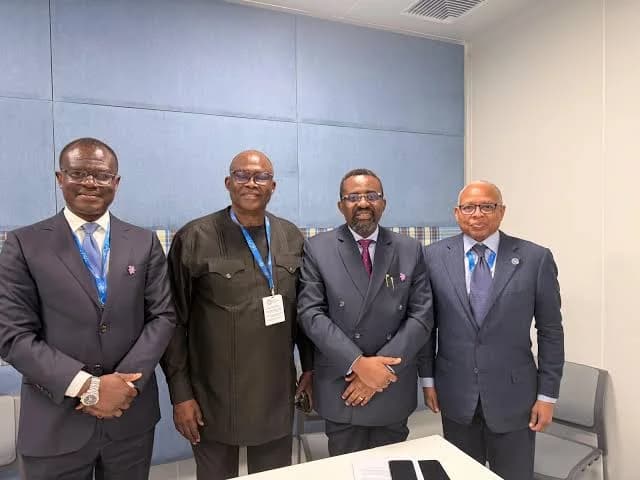
Ghana has proposed a new framework that seeks to integrate reparations for slavery and colonialism directly into the financing structures of the International Monetary Fund (IMF) and the World Bank. Disclosed by Ekwow Spio-Garbrah, Ghana’s Presidential Special Envoy for Reparations, the initiative aims to move the conversation on restorative justice from symbolic gestures and apologies toward concrete financial mechanisms. This move is designed to unlock additional development resources for economies that continue to face the long-term structural consequences of historical exploitation.
The proposal, which is currently in circulation within the Ghanaian government, outlines a strategy to align reparatory justice with the existing mandates of major international financial institutions. According to the Presidential Special Envoy, the goal is to ensure that reparations become a prioritized component of international development policy. By embedding these claims within the IMF and World Bank’s operational frameworks, the proposal suggests that financial support could be more systematically directed toward addressing the socio-economic gaps created by centuries of slavery and colonial rule.
This initiative represents a significant shift in Africa’s approach to the reparations debate. Rather than treating reparations as a separate or purely moral issue, Ghana is advocating for their inclusion in the global economic architecture. The document is expected to be formally presented to the IMF and World Bank once internal government reviews are finalized. As Ghana takes a leading role in this advocacy, the success of the proposal will depend on building a coordinated coalition of national and international support to influence the policy directions of these global lending institutions.