••
Ghana proposes slavery reparations in IMF and World Bank frameworks
•2 min read•1 source
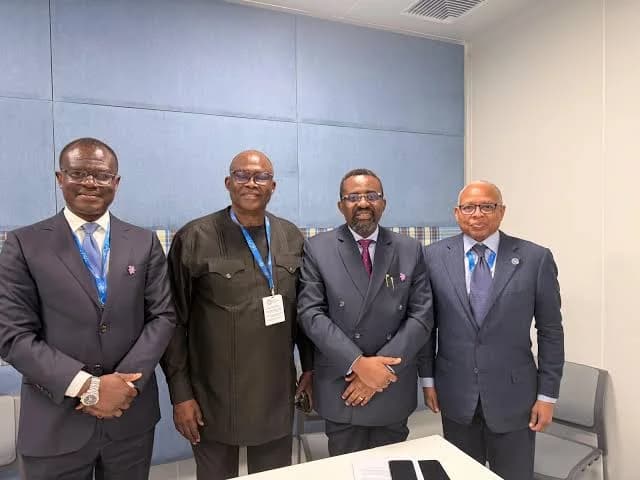
Ghana has drafted a proposal to integrate reparations for slavery and colonialism into the financing frameworks of the International Monetary Fund (IMF) and the World Bank. The initiative, disclosed by Ekwow Spio-Garbrah, the Presidential Special Envoy for Reparations, aims to secure additional development resources for economies historically impacted by these systems. By aligning reparatory justice with international development policy, the government seeks to transform the global conversation from symbolic gestures into tangible financial support for affected nations.
The proposal represents a strategic shift in how the African continent approaches restorative justice. Rather than focusing primarily on formal apologies from former colonial powers, the Ghanaian government is advocating for the creation of practical financial mechanisms. According to details shared by Spio-Garbrah, the draft document emphasizes the need for coordinated national and international support to address historical imbalances. It seeks to demonstrate how reparations can be reconciled with the existing mandates of global financial institutions to provide a more equitable framework for development.
Currently, the document is in circulation within the Ghanaian government and is awaiting formal presentation to the IMF and World Bank. Ghana aims to lead the advocacy for reparatory justice as a core priority in international development policy, potentially setting a new precedent for how nations across the African diaspora engage with global lenders. The move reflects a broader ambition to ensure that the economic legacy of slavery and colonialism is addressed through structured, multi-lateral financial cooperation.

