••
Ghanaian Communities and Officials Address Infrastructure Challenges and Teacher Shortages in Education Sector
•3 min read•3 sources
Ghana’s education sector is currently navigating a series of localized infrastructure and staffing challenges across the Oti, Bono East, and Ashanti regions, ranging from abandoned building projects to critical teacher deficits. While residents in Damanko are petitioning for the opening of a long-stalled Senior High School, authorities in Mankranso are clarifying the status of school structures amid redevelopment plans for the government’s signature 24-Hour Economy initiative. These developments highlight the complex intersection of infrastructure management, staffing needs, and regional development goals as the nation seeks to improve educational access.
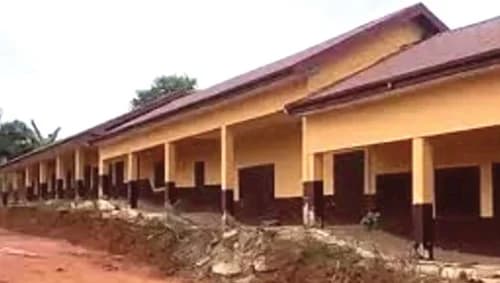
In the Oti Region, residents of Damanko are calling for the immediate commissioning of an E-Block Community Day Senior High School that has remained dormant since 2015. The project, which was initiated during President John Mahama’s earlier term in office, is reportedly 95% complete but was never finalized during the subsequent NPP administration. Assemblyman Kwabena Vincent and local leaders emphasize that the lack of a functional facility has placed immense financial and emotional burdens on families, who are forced to send their children to distant schools. They argue that opening the school is vital for local economic development and would significantly reduce travel costs for students.
Simultaneously, the Busuama MA Basic School in the Kintampo North Municipality is grappling with a severe staffing crisis that threatens instructional quality. With only six teachers left to manage over 120 pupils, the Kindergarten department is currently without any dedicated instructor. The shortage was exacerbated after three teachers were transferred without being replaced, forcing the remaining staff to adopt a rotation system. Headmaster Nawang Moses has highlighted that the crisis is compounded by a lack of furniture and basic learning materials, prompting urgent appeals for intervention from the government and non-governmental organizations to restore a conducive learning environment.
Addressing infrastructure concerns in the Ashanti Region, Regional Minister Dr. Frank Amoakohene has dismissed rumors regarding the demolition of a 12-classroom school block in Mankranso. During a site inspection for the government's 24-Hour Economy Market Project, the Minister clarified that the existing classroom facility would be re-engineered to support the market project while retaining its educational function. This redesign is intended to provide a safe space for the children of market women, ensuring that development projects do not come at the expense of established school infrastructure. Officials from the District Education Directorate and project managers confirmed that the integration will support inclusive regional development.
These various challenges and official responses underscore the ongoing effort to harmonize educational needs with broader national policy priorities. Whether through the completion of stalled projects, the equitable distribution of teaching staff, or the innovative repurposing of existing structures, the pressure remains on education authorities to provide sustainable solutions. As community leaders and school heads continue to voice their grievances, the focus remains on ensuring that every Ghanaian child has access to well-staffed and properly equipped learning facilities regardless of their location.
Related topic
NPP (New Patriotic Party): Latest News →

