••
Ghana to Host Second High-Level Conference on Scaling Education Initiatives in Emergencies This September
•2 min read•1 source
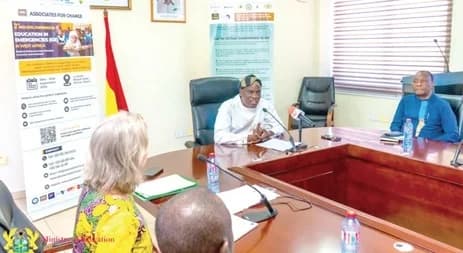
Ghana is set to host the Second High-Level Conference on Scaling Education Initiatives in Emergencies (EiE) on September 29-30, 2026, marking a significant step in addressing the global educational crisis. Organized by Associates for Change in collaboration with several international partners, the two-day event will bring together policymakers, researchers, and educators to develop strategies for children whose schooling has been disrupted by conflict and natural disasters. The conference serves as a critical platform for the West African sub-region, which continues to face unique challenges in maintaining educational continuity during periods of instability.
Education Minister Haruna Iddrisu has highlighted the gravity of the situation, noting that over 72 million children globally are currently out of school due to various crises. West Africa is particularly affected, with regional conflicts and environmental shocks creating persistent barriers to learning. The primary objective of this high-level gathering is to utilize policy-relevant evidence to enhance both the access to and the quality of education in emergency settings. By focusing on evidence-based scaling, the conference aims to move beyond temporary fixes toward sustainable, systemic solutions for vulnerable youth.
A major focus of the upcoming discussions will be the intensifying impact of climate change on the educational landscape. Minister Iddrisu emphasized that climate-driven events, such as severe flooding and the subsequent displacement of communities, have led to an increase in school closures across the region. These environmental factors are increasingly recognized as primary drivers of educational inequity, as they not only damage infrastructure but also create long-term disruptions that prevent children from returning to the classroom even after the initial crisis has passed.
As Ghana prepares to lead this regional dialogue, the focus remains on translating academic research into actionable government policy. The conference is expected to produce a framework for better coordination between humanitarian actors and national education systems. By establishing more resilient educational structures, stakeholders hope to ensure that the fundamental right to education is protected for all children, regardless of the emergencies they may face. The outcomes of this meeting will likely influence regional education strategies across West Africa for years to come.
