••
Ghanaian researchers use AI to increase solar panel efficiency to 30%
•2 min read•1 source
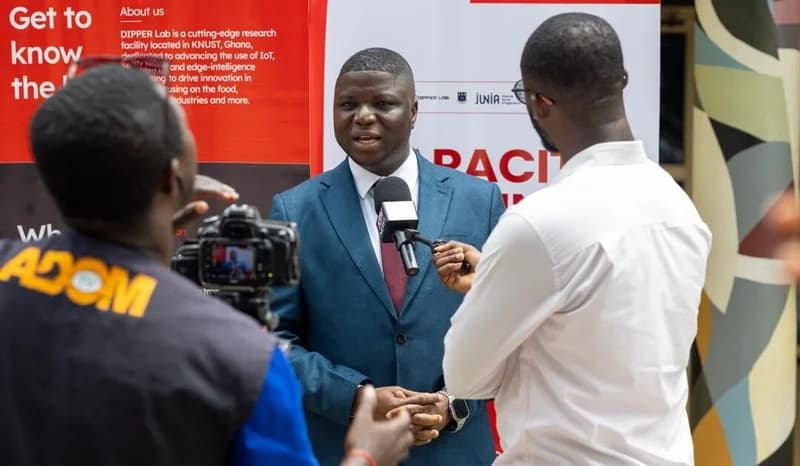
Ghanaian researchers are pioneering the use of artificial intelligence (AI) to discover new material combinations that could significantly boost the efficiency of solar panels. Supported by the French Embassy, the initiative aims to transition current solar-cell efficiency from approximately 22% to a range of 25% to 30%. This development marks a significant step toward making renewable energy more accessible and effective within the country. Experts, including Dr. Joseph Asare and Dr. Bruno Grandidier, detailed how AI algorithms are being employed to identify optimal material combinations during a recent workshop. By leveraging these technologies, the research team aims to create panels that are not only more efficient but also more affordable and environmentally sustainable. The project specifically explores flexible solar technologies and strategies to reduce toxicity in the production process, making the panels more versatile for various applications. A primary goal of the research is to provide tailored energy solutions for rural communities that currently lack reliable access to the national electricity grid. By increasing efficiency and reducing costs, these AI-driven innovations could make solar power a viable primary energy source for remote areas. The researchers emphasized that local development of renewable energy is vital for Ghana's broader energy transition and for ensuring energy security at the community level. Despite the promising progress, the team noted that substantial computing infrastructure is required to fully support AI-driven energy solutions. The ultimate success of the project depends on the effective testing and commercial manufacturing of the newly discovered materials. As Ghana continues to pursue its renewable energy goals under the administration of President John Mahama, such technological advancements are expected to play a critical role in shaping the nation's energy landscape.
Related topic
John Mahama: Latest News & Updates →

