••
Ghanaian researchers use AI to increase solar panel efficiency to 30%
•2 min read•1 source
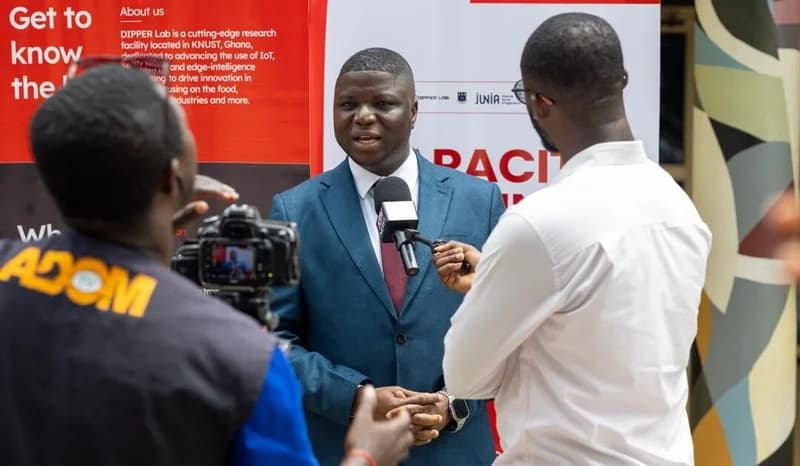
Ghanaian researchers have launched an initiative using artificial intelligence (AI) to develop high-efficiency solar panels, aiming to increase energy conversion rates from the current 22% to between 25% and 30%. Supported by the French Embassy, the project focuses on identifying novel material combinations that could make solar technology more affordable and sustainable. The primary objective is to create power solutions specifically tailored for rural communities in Ghana that currently lack reliable access to the national grid.
During a recent workshop, experts detailed how AI algorithms are being employed to bypass traditional, time-consuming trial-and-error methods in material science. By simulating thousands of material interactions, the researchers aim to discover stable, high-performance combinations that can be manufactured with lower toxicity than current commercial panels. Dr. Joseph Asare and Dr. Bruno Grandidier, leading figures in the project, emphasized that this technological leap is not just about efficiency but also about versatility, exploring flexible solar technologies that can be integrated into various surfaces and environments.
While the prospects for local renewable energy development are significant, the research team noted that the project's long-term success depends on several critical factors. These include the acquisition of substantial computing infrastructure to handle complex AI processing and the establishment of local testing and manufacturing facilities for the newly discovered materials. If successful, the initiative could significantly lower the cost of solar energy, accelerating Ghana’s energy transition and providing a scalable model for other developing nations seeking energy independence through innovative technology.
