Anansi News
HomeBriefsAsk GhanaTopicsTools
•
•

Stay Informed

Get AI-curated news briefs from Ghana delivered to your inbox every morning. Free forever, no spam.

Explore

  • Home
  • Briefs
  • About

Categories

  • Politics
  • Business
  • Sports
  • Entertainment
  • Africa

Features

  • Analysis
  • Cedi Rates
  • Dollar to Cedi
  • Ghana Gold Price
  • BoG Policy Rate

Topics

  • Armed Forces Recruitment
  • WAEC Results & News
  • Nana Ama McBrown
  • NDC News
  • All Topics

Legal

  • Privacy Policy
  • Terms of Service
Anansi News© 2026. All rights reserved.
Made withfor Ghana
politics

Ghana Bolsters Public Accountability: High-Profile Corruption Trials, State Asset Recovery, and Security Oversight Take Center Stage

10th March•3 min read•35 sources
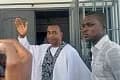
High Court to rule on whether NPP’s Chairman Wontumi must defend himself in mining trial
  1. Home
  2. /Politics
  3. /Ghana Bolsters Public Accountability: High-Profile Corruption Trials, State Asset Recovery, and Security Oversight Take Center Stage

Ghana’s governance landscape is currently undergoing a significant stress test as the Office of the Special Prosecutor (OSP) and various state agencies intensify efforts to address financial malfeasance and institutional lapses. At the forefront of this accountability drive is the evolving National Petroleum Authority (NPA) extortion trial, where the OSP has strategically withdrawn charges against Albert Ankrah, Director of Kel Logistics Limited. Ankrah is now set to testify as a key prosecution witness against former NPA Chief Executive Mustapha Abdul-Hamid and several others accused of a GH¢291 million extortion scheme. This development coincides with the escalating "ghost names" scandal at the National Service Authority (NSA), where former Executive Director Osei Assibey Antwi faces an expanded list of 21 charges related to unauthorized payments totaling over GH¢431 million, a case that former MP Dickson Adomako Kissi describes as a critical lesson in administrative oversight for public sector leaders. Beyond the courtroom, the recovery of state assets and the fight against organized fraud remain high priorities for the government. Former COCOBOD CEO Joseph Boahen Aidoo recently returned an official vehicle after retaining it for 14 months post-tenure without authorization, an incident currently under investigation by the National Investigations Bureau (NIB). Simultaneously, the Driver and Vehicle Licensing Authority (DVLA) has exposed a massive criminal network responsible for circulating over 30,000 counterfeit dealer vehicle (DV) plates valued at GH¢12.5 million. This fraudulent operation, which costs the state an estimated GH¢20 million in annual revenue, has led to the arrest of five suspects and prompted a nationwide police warning that vehicles found with fake plates will be impounded regardless of owner claims of ignorance. Security and political tensions have also emerged, demanding immediate attention from law enforcement and the judiciary. The New Patriotic Party (NPP) in the Northern Region has formally condemned the fatal shooting of Amadu Ibn Shamtut during Independence Day celebrations in Nanton, calling for swift justice as the primary suspect, a local chief, remains at large. In a related security matter, Inspector-General of Police (IGP) Christian Tetteh Yohuno addressed protests in Tamale regarding the withdrawal of the ‘Black Maria’ Special Operations Taskforce, clarifying that the unit’s mission was temporary. The IGP also faces internal pressure from solicitors representing 40 Police Chief Inspectors who are petitioning for direct entry into the Police Academy following a Court of Appeal ruling. These institutional challenges are mirrored in the legal sector, where the High Court is scheduled to rule on March 16 whether NPP Ashanti Regional Chairman Bernard Antwi Boasiako, known as Chairman Wontumi, must open his defense in a trial concerning unauthorized mining. As these cases progress, the intersection of legal enforcement and administrative reform remains critical for Ghana's democratic stability. From the National Anti-Illegal Mining Operations Secretariat’s (NAIMOS) ongoing destruction of illegal mining equipment along the Ankobra River to the Ghana Immigration Service’s arrest of 93 foreign nationals in an anti-fraud raid, state agencies are projecting a renewed commitment to the rule of law. While controversial figures like Counsellor George Lutterodt face police scrutiny for inciting violence, the broader narrative remains focused on institutional transparency. The successful resolution of these high-stakes corruption cases and the tightening of administrative controls will likely define public trust in Ghanaian state institutions for the foreseeable future.

Our Take

From the Team

Coming Soon

Our team will add key insights, trends, and actionable takeaways to help you stay informed faster.

This story touches markets covered on Anansi Intelligence ↗.

Related topic

Ghana Immigration Service Recruitment: Latest News →

More from politics

Continue exploring similar stories

Samuel Okudzeto Ablakwa (right), Minister of Foreign Affairs, handing over the equipment to Nana Asare Bediako, Executive Secretary of the Ghana Refugee Board
politics|Yesterday

President Mahama and Vice President Opoku-Agyemang Drive Governance Agenda as Ghana Reports Significant Drop in Debt Servicing Costs

Ghana's political landscape this week is defined by a robust executive agenda, with President John Mahama extending regional solidarity in Guinea while Finance Minister Dr. Cassiel Ato Forson announced a significant milestone in the country’s debt management. Following a high-profile visit to Conakry to support victims of a tragic landfill collapse, the President’s administration highlighted domestic fiscal progress, noting that Ghana now allocates less than 20% of its revenue to debt servicing, a sharp decline from previous levels of nearly 50%. Simultaneously, Vice President Professor Jane Naana Opoku-Agyemang, attending the ‘Meko Bono’ festival in Atebubu, emphasized the government’s commitment to the '24-hour economy' and industrial initiatives like 'Feed Ghana,' urging local leaders to leverage cultural heritage for youth job creation and tourism development. Legislative and institutional reforms have also taken center stage, as the Ministry of Employment, Labour, and Jobs, led by Dr. Abdul-Rashid Pelpuo, begins drafting a comprehensive bill on workplace safety and health. This push for better working conditions coincides with a strategic agreement between the Ministry of Roads and Highways and the Ghana Institution of Surveyors to resolve valuation discrepancies that have historically delayed national infrastructure projects. Minister Governs Kwame Agbodza emphasized that the collaboration aims to ensure transparent, evidence-based compensation for individuals affected by road construction. However, these macroeconomic indicators face scrutiny from figures such as Bridgette Dzogbenuku of the Progressive People’s Party, who argued at a recent youth academy that GDP gains must translate into improved grassroots livelihoods and tangible job opportunities to be considered successful. The judiciary is navigating its own set of administrative and ethical challenges. Ofoase-Ayirebi MP Kojo Oppong Nkrumah has escalated his legal challenge to the Supreme Court, questioning the Chief Justice’s authority to conduct criminal trials during the annual legal vacation—a move he argues impacts constitutional fairness and the right to representation. Amidst these legal debates, Judge Angela Attachie of the Adenta Circuit Court issued a stern warning to legal practitioners against public outbursts and threats directed at the bench, maintaining that judicial disagreements must be settled through formal appeals to protect the integrity of the law. These tensions over accountability were echoed at a media-government symposium marking the 77th anniversary of the Ghana Journalists Association, where Deputy Government Spokesperson Shamima Muslim called for a sustained partnership to safeguard democratic gains against misinformation. In regional affairs, Ghana continues to assert its diplomatic influence, demonstrated by President Mahama's outreach in Guinea and the Ministry of Foreign Affairs' donation of over GH₵539,000 in passport equipment to the Ghana Refugee Board to enhance humanitarian services. Locally, the debate over decentralization has been revitalized by calls from NPP communicators for the direct election of Metropolitan, Municipal, and District Chief Executives (MMDCEs) to enhance local accountability and public trust. As the government moves to support vulnerable populations—exemplified by the Nkwanta North District Assembly’s recognized efforts for Persons with Disabilities—the administration remains focused on balancing fiscal discipline with inclusive social development across the country.

Mustapha Gbande — Deputy General Secretary, NDC
politics|Yesterday

Minority Leader Afenyo-Markin Decries 'Intimidation' as NDC Majority Asserts Power in Parliament

Minority Leader Alexander Afenyo-Markin has raised an alarm over what he describes as a systematic strategy by the John Mahama administration to intimidate and silence the opposition through state investigations. Speaking on the current parliamentary landscape, Afenyo-Markin highlighted the significant challenges faced by the New Patriotic Party (NPP) caucus, which holds 87 seats against the National Democratic Congress (NDC) majority of 189 members. He alleged that several NPP MPs are being targeted with 'unfounded' investigations by the Bureau of National Investigation (BNI), creating a climate of fear that hinders free expression and substantive debate within the house. Despite these hurdles, the Minority Leader remains defiant, labeling his caucus a 'mighty minority' and vowing to prioritize the quality of their contributions to ensure their oversight role is not diminished by sheer numbers. Central to the escalating tension between the two sides is a heated debate over the operations of the Ghana Gold Board (GoldBod) and the Bank of Ghana’s Domestic Gold Purchase Programme. Afenyo-Markin has formally called for a parliamentary inquiry into reported losses amounting to GH"22 billion, asserting that public accountability must prevail over political protectionism. In response, outgoing Majority Leader Mahama Ayariga defended the expenditures, arguing that the alleged losses are actually necessary costs incurred to stabilize the cedi and curb inflation. Ayariga emphasized that the government's gold purchase policy is a strategic economic lever that should be viewed through the lens of currency strengthening rather than simple financial loss. The friction extends to local governance, where the NPP Communications Directorate in the Ahafo Region has called on President John Mahama to dismiss the Municipal Chief Executive (MCE) for Asunafo North, Joseph Akparibo. The demand follows controversial remarks by the MCE, who reportedly described the 2019 creation of the Ahafo Region as a 'useless' initiative. This local dispute mirrors broader criticisms of the administration, including former Special Prosecutor Martin Amidu's public disappointment in President Mahama's anti-corruption efforts and Bryan Acheampong’s warning that the NDC’s 'honeymoon' period with the electorate will soon end as Ghanaians demand tangible results and infrastructure delivery. Internally, both major parties are repositioning themselves for future stability and electoral success. NDC Deputy General Secretary Mustapha Gbande has issued a strong call for unity and cohesion within the party's Volta Region base, warning that personal interests must not undermine the collective strength of the governing party. Simultaneously, former Minister Akwasi Opong-Fosu is engaging Western Region stakeholders to refine a message of 'Restoration and Renewal' in preparation for the 2028 cycle. As the Mahama administration moves past its inaugural months, the political atmosphere remains charged with demands for accountability, regional respect, and a shift from investigation-led politics to economic fulfillment.

President John Dramani Mahama
politics|Yesterday

President Mahama Champions 'Accra Reset' as Ghana Prepares for 2027 AU Chairmanship and Celebrates US Visa Ruling

President John Dramani Mahama has outlined a bold "Accra Reset" vision for Africa’s economic future, calling for a definitive end to the continent's "dependency syndrome." In a recent interview on TRT World’s Bigger Than Five, President Mahama emphasized that African nations must transition from being exporters of raw materials to hubs of local value addition. He argued that retaining control over resources and enhancing local manufacturing, particularly in pharmaceuticals and health systems, is essential for job creation and global competitiveness. This vision for self-reliance is not merely economic but also political, as the President continues to advocate for Africa’s stronger representation in global decision-making bodies, including a permanent seat on the UN Security Council. Complementing this strategic vision, Ghana is intensifying its diplomatic machinery ahead of President Mahama’s scheduled assumption of the African Union (AU) Chairmanship in January 2027. A High-Level Committee of Experts, led by Foreign Minister Samuel Okudzeto Ablakwa, has officially submitted five comprehensive reports to the Presidency. These documents establish the strategic pillars and work programs intended to ensure Ghana’s leadership results in substantive progress for the continent rather than serving as a ceremonial role. In a related diplomatic move, the President has appointed Timothy Koku Gobah as Ambassador and Consul General to the Republic of Congo, a decision lauded by the Keta Senior High Technical School alumni for its recognition of professional excellence. On the international front, a significant legal victory has been recorded for Ghanaian citizens and other nationals affected by restrictive U.S. immigration policies. U.S. District Judge Jeannette Vargas invalidated a directive from the State Department that had suspended immigrant visa processing for 75 countries, including Ghana. The court ruled that the policy, which targeted nearly 40% of the world's nations based on perceived financial risks, constituted executive overreach and violated federal laws against nationality-based discrimination. This ruling reinstates pathways for family reunification and professional migration, providing a vital lifeline to thousands of families who had been separated by the broad-based ban. These developments unfold against a backdrop of complex global shifts, including heightened U.S. financial pressure on Iran and calls for an expanded arms embargo across all of Sudan to curb external interference. Simultaneously, Ghana continues to strengthen its ties with nations like Ukraine, which recently celebrated its 35th year of independence. As Ghana prepares for its 2027 AU leadership, the "Accra Reset" serves as a guiding framework for navigating these global tensions, prioritizing mutual respect, the protection of national sovereignty, and a commitment to shared prosperity through equitable international partnerships.

National Lottery Authority Urges Staff to End Strike Over 17% Salary Increase Demand
politics|Yesterday

National Lottery Authority Urges Staff to End Strike Over 17% Salary Increase Demand

Management of the National Lottery Authority (NLA) has appealed to its workforce and the local staff union to call off a sit-down strike that commenced on August 24, 2026. The industrial action was triggered by a stalemate in negotiations regarding salary adjustments for the 2026 fiscal year. While the union is firmly demanding a 17% pay raise, the NLA management has offered a 12% increase, citing significant financial constraints and existing tax liabilities that have limited the Authority's fiscal flexibility. The dispute is rooted in a discrepancy between the workers' expectations and the NLA's current financial health. According to management, the Authority is currently managing a tax liability of over GH"5 million uncovered by the Ghana Revenue Authority (GRA), which pertains to the period between 2016 and 2022. These tax arrears have directly impacted the NLA's ability to meet the union's higher demands. The union, however, maintains that the 17% increase is necessary to offset a reduction in workers' take-home pay caused by recent tax adjustments and the rising cost of living. In an effort to resolve the impasse, the NLA has been engaging with the National Labour Commission (NLC) and the Fair Wages and Salaries Commission. Director-General Mohammed Abdul-Salam expressed surprise at the strike, noting that the matter was already under arbitration when the staff decided to walk out. Recent interventions by the Ministry of Employment and Labour Relations have sought to bring both parties back to the negotiation table. Management has also reportedly appealed to the Minister of Finance for a waiver on accumulated tax penalties to help ease the financial burden on the Authority. As of the latest reports, management remains committed to an amicable resolution but emphasizes the importance of resuming operations to fulfill the NLA's revenue-generating mandate for national development. The ongoing mediation by the National Labour Commission will be pivotal in determining whether the staff union will accept the 12% offer or if a middle ground can be reached to end the industrial action and restore normalcy to the Authority's operations.

All
africa
business
education
entertainment
health
news
politics
sports
technology