••
Global Organised Crime Index and Recent Port Seizures Highlight Ghana's Growing Illicit Trade Challenges
•3 min read•13 sources
The 2025 Global Organised Crime Index has raised significant concerns regarding the integrity of Ghana’s fight against the illicit drug trade, suggesting that political protection may be shielding cocaine traffickers. According to the report, a recent decline in visible cocaine seizures and media coverage may not indicate a reduction in activity but rather a deepening of clandestine operations supported by sections of the government. Ghana has emerged as a critical node in the global cocaine market, with organized crime groups primarily receiving large shipments from Brazil hidden in sugar containers. This report comes as the Kwabenya Circuit Court recently denied bail to six individuals, including freight forwarder Francis Narh Amanor, in connection with a massive 3.9-tonne cocaine seizure at the Tema Port, highlighting the massive scale of the challenge facing law enforcement.
Beyond narcotics, Ghana’s border security is under increased pressure from the illegal importation of firearms. On September 25, 2026, the Ghana Revenue Authority (GRA) intercepted 610 rounds of ammunition and three firearms—including an assault rifle—concealed within a consignment of personal effects arriving from the United States at the Golden Jubilee Terminal. Deputy Commissioner Florence Asante has since urged importers to comply strictly with declaration laws, warning that the GRA is intensifying examination protocols to curb the flow of restricted items. This trend of smuggling extends to the commercial sector, where the Organised Crime Index identified the Makola and Abossey Okai markets as hubs for counterfeit electrical products and medicines, many of which originate from China and enter through the Port of Tema.
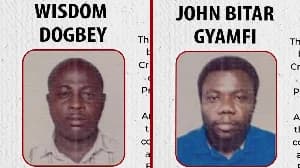
Financial crimes and enforcement gaps also remain a primary concern for national security agencies. The Economic and Organised Crime Office (EOCO) recently declared Wisdom Dogbey and John Bitar Gyamfi wanted for alleged fraud and money laundering. Notably, the Managing Director of the Cocoa Marketing Company (CMC), also named Wisdom Kofi Dogbey, was forced to issue a public clarification stating he is not the individual sought by authorities. The Global Organised Crime Index further notes that Ghana’s efforts to combat money laundering are hampered by a critical shortage of trained investigators and prosecutors, particularly in the complex area of asset forfeiture and digital currency tracking.
While high-level organized crime dominates the national discourse, the Ghanaian judiciary continues to process a wide range of criminal offenses to maintain public order. Recent rulings include a 20-year sentence handed down by the Tarkwa Circuit Court to Samuel Okyere for the defilement of his daughter, and a 25-month prison term for Emmanuel Lewis Ebuka, who set fire to three vehicles in Accra. Additionally, a small-scale miner was jailed for 24 months for theft at a railway station. These cases, alongside the broader findings of the Organised Crime Index, underscore a complex landscape where legislative improvements must be met with better enforcement training and political transparency to effectively dismantle criminal networks.
Related topic
Ghana Customs Recruitment: Latest News & Updates →
