••
OPDAG reports 150,000-tonne annual crude palm oil supply gap
•2 min read•2 sources
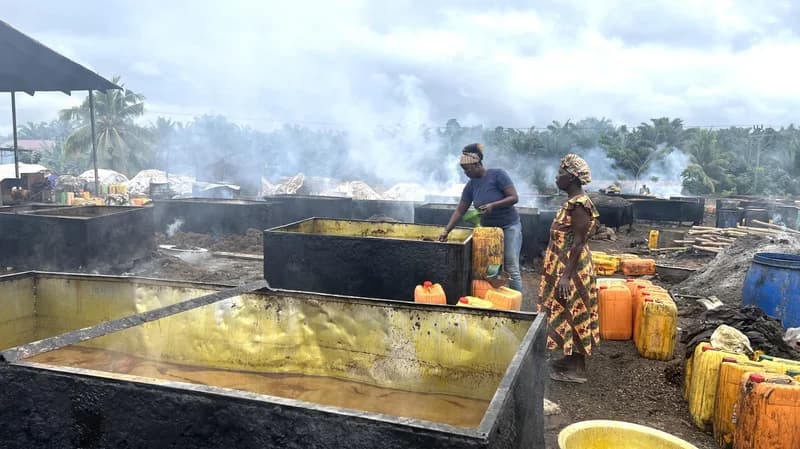
Ghana is facing a significant shortfall in its crude palm oil supply, with the Oil Palm Development Association of Ghana (OPDAG) reporting a deficit of 150,000 metric tonnes annually. According to OPDAG President Paul Kwabena Amaning, the country's current production stands at approximately 250,000 metric tonnes, which is insufficient to meet the national demand of 400,000 metric tonnes. This gap highlights a critical need for expansion within the local industry to ensure food security and reduce the nation's reliance on imported edible oils.
To address this shortfall, Amaning has proposed a US$500 million financing initiative aimed at supporting smallholder farmers and enhancing the overall competitiveness of the oil palm sector. Speaking at a recent industry workshop, he emphasized that this scale of funding is essential for improving infrastructure and operational efficiency across the value chain. By empowering small-scale producers, who form the backbone of the industry, the association aims to bridge the production-demand divide and unlock the latent economic potential of Ghana's oil palm plantations.
The workshop also underscored the pivotal role of digital financial services in transforming the agricultural landscape. Amaning noted that adopting digital tools can significantly improve transparency and help small businesses build reliable financial records, which are often required to secure credit from traditional banking institutions. He advocated for enhanced consumer protection within digital services and urged stakeholders to collaborate on creating an ecosystem that fosters innovation and sustainable growth for rural farmers.
Strengthening the domestic oil palm industry is viewed as a vital step toward broader industrialization and economic resilience. By focusing on processing efficiency and increased land cultivation, Ghana could potentially transition from a net importer to a significant regional supplier. OPDAG remains committed to working with government and private partners to implement these strategic investments, ensuring that the sector contributes more robustly to the national economy in the coming years.

